

7 Pro Tips for Modular Kitchen Chimney Setup
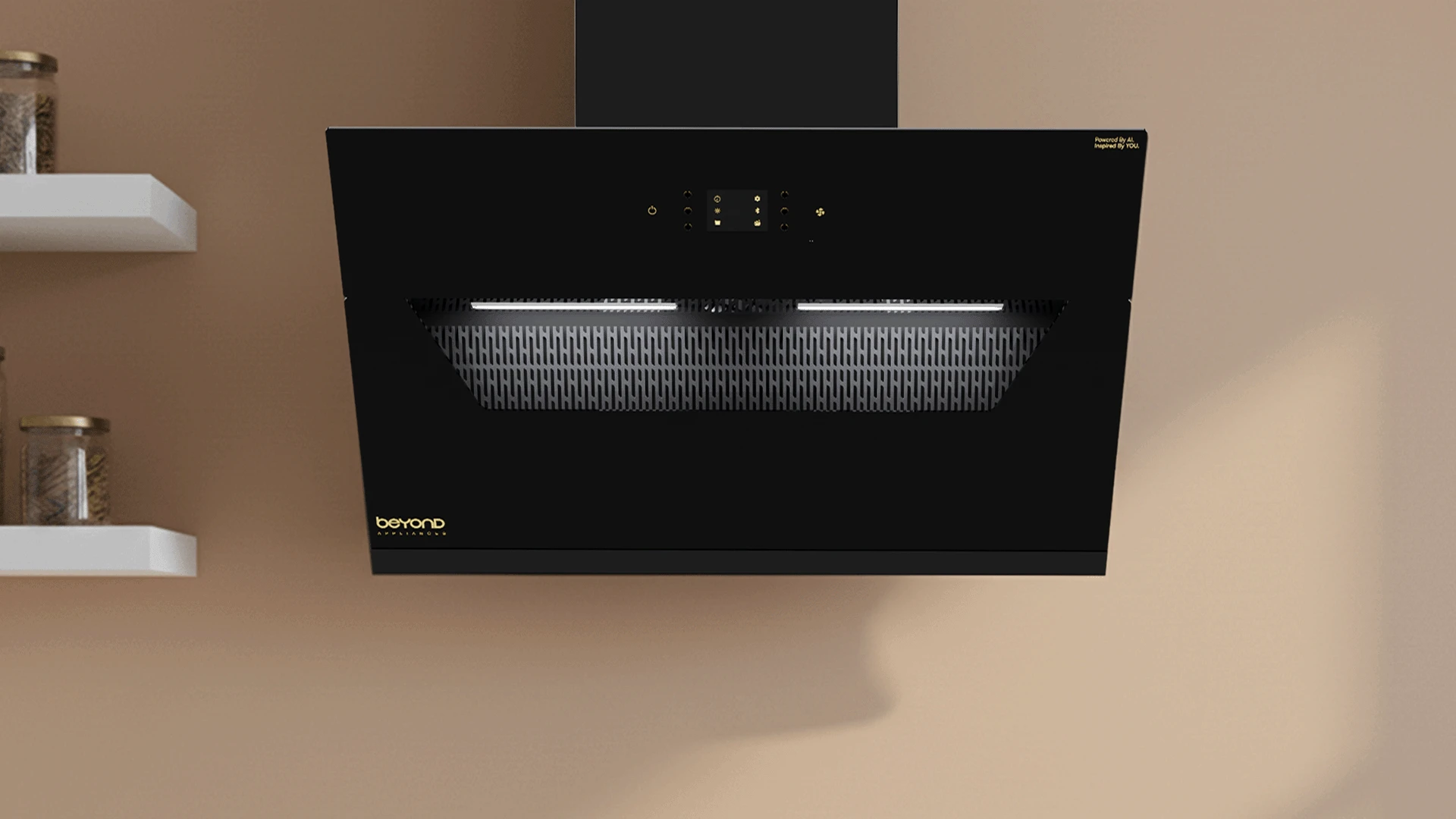
Installing a modular kitchen chimney properly can save you thousands in repairs and ensure optimal performance for years. Many homeowners make costly mistakes during installation that lead to poor ventilation, safety hazards, and frequent breakdowns. Poor modular kitchen chimney installation often results in inadequate smoke removal, increased maintenance costs, and even fire risks. Professional installation techniques and proper planning are essential for creating an efficient kitchen ventilation system that enhances your cooking experience while maintaining safety standards.
Proper planning forms the foundation of successful kitchen chimney installation. Before beginning any installation work, assess your kitchen layout thoroughly and understand the specific requirements for your chosen chimney model. This preparation phase determines the overall success of your installation project.
Measure the distance from your cooktop to the ceiling carefully. Position your modular kitchen chimney between 26-32 inches above the cooking surface for optimal performance. Distances under 26 inches create serious fire hazards, while placement over 32 inches significantly reduces suction efficiency. Consider ceiling height when selecting a compact kitchen chimney for smaller spaces.
Choose between ducted and ductless chimney installation based on your kitchen structure. Ducted systems require external venting but offer superior performance for heavy cooking. Modern kitchen chimney units like the Android Chimney with Orion T-shape design feature 1600 CMH suction power and filterless technology, making them ideal for Indian cooking styles. Plan electrical requirements early, ensuring adequate power supply for advanced features.
Understanding installation costs helps you budget effectively and avoid unexpected expenses. Chimney installation cost varies based on complexity, location, and additional requirements like electrical work or structural modifications.
Basic kitchen chimney installation services typically start at INR 700 for simple wall-mount units. Additional costs include electrical work (INR 500-1500), ducting materials (INR 800-2000), and structural modifications if required. Professional chimney fitting service ensures proper installation but costs more than DIY approaches. Factor in travel charges for remote locations and weekend installation premiums.
Modular kitchen chimney prices start from INR 7,600 for basic models, with premium units ranging INR 15,000-50,000. Hidden costs in kitchen exhaust installation include wall cutting charges, additional electrical points, and permit fees in some areas. Save money by preparing installation sites beforehand and grouping multiple appliance installations together.
Following a systematic installation process ensures safety and optimal performance. Professional techniques minimize errors and reduce installation time significantly.
Gather essential tools including drill machines, spirit levels, measuring tapes, and safety equipment. Mark mounting points accurately using templates provided with your chimney. Ensure power supply is available at the installation location. Check wall strength to support the chimney weight, especially for heavy modern kitchen chimney units with advanced features.
Mount brackets securely using appropriate wall anchors for your wall type. Connect electrical wiring following local safety codes and manufacturer specifications. For ducted systems, route ductwork with minimal bends to maximize airflow efficiency. The Android Chimney's 3D suction technology requires precise positioning to utilize its three-directional suction vents effectively.
Correct placement directly impacts your chimney's performance and safety. Strategic positioning ensures maximum smoke capture while maintaining safe operating conditions.
Maintain the 26-32 inch distance religiously for safety and efficiency. In island kitchens, position the modular kitchen chimney centrally over the cooking area. For wall-mounted installations, ensure adequate clearance from cabinets and other appliances. Consider the user's height when determining exact placement for comfortable operation.
Plan external wall openings at least 7 feet above ground level for safety and efficiency. Route ducts with gentle curves rather than sharp bends to maintain airflow. Consider seasonal wind patterns that might affect external vent performance. Ensure adequate space around the chimney for maintenance access and filter cleaning.
Avoiding common errors saves money and ensures safe operation. Many installation problems stem from inadequate planning or cutting corners during setup.
Never install chimneys below 26 inches from the cooktop, as this creates fire hazards. Ensure proper electrical grounding to prevent shock risks during kitchen exhaust installation. Use appropriate mounting hardware rated for your chimney's weight. Inadequate support can cause expensive damage and safety issues with heavy units.
Poor ductwork design with excessive bends reduces suction efficiency significantly. Undersized electrical supply affects motor performance and can cause premature failure. Improper filter installation blocks airflow and reduces the effectiveness of features like the Android Chimney's dry heat auto-clean technology.
Deciding between professional and DIY installation depends on complexity, skills, and safety considerations. Each approach has distinct advantages and limitations.
Complex electrical work requiring new circuits needs professional expertise. Structural modifications like wall cutting or reinforcement require skilled technicians. Advanced units with features like infotainment screens and dual speakers need precise installation for optimal performance. Professional installation often includes warranty coverage and insurance protection.
Simple ductless chimney installation on existing mounting points suits DIY approaches. Ensure you have necessary tools and electrical knowledge before starting. Follow manufacturer instructions precisely and never skip safety steps. Consider professional consultation even for DIY projects to avoid costly mistakes.
Thorough testing ensures your installation meets performance standards. Establishing maintenance routines from day one extends chimney life and maintains efficiency.
Test suction power at different speed settings to verify proper operation. Check noise levels to ensure they meet manufacturer specifications. Verify safety features like auto turn-off functions work correctly. Test advanced features like touchscreen controls and kitchen companion functions on smart models.
Clean or replace filters monthly for optimal performance. Schedule annual professional inspections to identify potential issues early. The Android Chimney's filterless design and dry heat auto-clean technology reduces maintenance requirements significantly. Keep the oil collection tray clean and accessible for easy maintenance.
Professional kitchen chimney installation typically costs INR 700 for basic installation, with total costs ranging from INR 1,500-3,500 including electrical work and ducting. Complex installations requiring structural modifications may cost more.
Position your modular kitchen chimney 26-32 inches above the cooktop. Distances under 26 inches create fire hazards, while over 32 inches reduces efficiency. Center the chimney over your primary cooking area for best results.
Modular kitchen chimney prices start from INR 7,600 for basic models, with premium units ranging INR 15,000-50,000 depending on features and brand. Advanced models with smart features cost more but offer superior performance.
Simple ductless chimney installation can be DIY-friendly for experienced homeowners. However, ducted systems requiring electrical work should use professional chimney fitting service for safety and warranty compliance.
Basic range hood installation takes 2-4 hours for professionals. Complex installations with ducting and electrical work may require 6-8 hours. DIY installations typically take longer due to learning curves and preparation time.
Successful modular kitchen chimney installation requires careful planning, proper placement, and attention to safety details. Professional installation ensures optimal performance and warranty coverage, especially for advanced units with smart features. Whether choosing DIY or professional installation, prioritize safety and follow manufacturer guidelines precisely. Proper installation creates an efficient kitchen ventilation system that enhances your cooking experience while protecting your investment for years to come.
