

7 Key Steps: How Kitchen Chimneys Work Magic
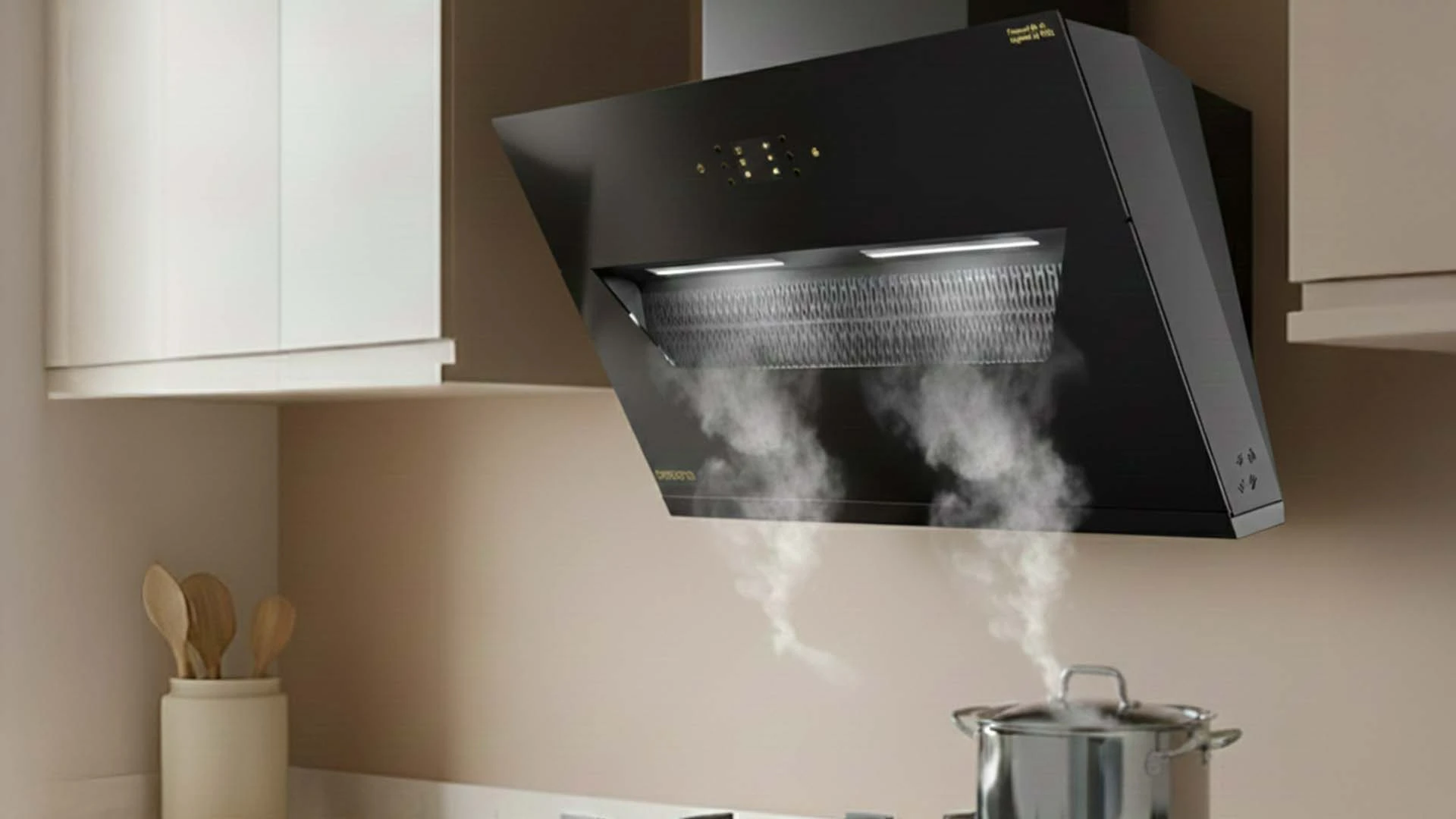
Modern kitchens face a constant battle against smoke, grease, and cooking odors. Every time you prepare a meal, especially with Indian cooking methods that involve high heat and spices, your kitchen becomes filled with unwanted particles and smells. Understanding how kitchen chimneys work helps you make better choices for your home's kitchen ventilation needs. These powerful appliances use advanced technology to transform your cooking space into a clean, comfortable environment. Let's explore the seven key steps that make kitchen chimneys work their magic in your home.
The chimney working principle relies on creating controlled airflow patterns that capture and remove cooking pollutants before they spread throughout your kitchen. Modern kitchen chimney systems use powerful motors to generate suction that pulls air upward through strategically designed hoods and filters. The core mechanism involves three main components working together. First, the suction hood captures smoke and grease particles at their source. Second, multiple filtration layers separate different types of pollutants. Third, the exhaust system either vents contaminated air outside or recirculates cleaned air back into the kitchen. This process happens continuously while you cook, maintaining fresh air quality throughout your meal preparation. Motor specifications play a crucial role in determining effectiveness. Most quality units operate between 1000-1600 CFM (Cubic Feet per Minute), with higher ratings providing better performance for heavy cooking. The kitchen exhaust system must match your cooking habits and kitchen size to work efficiently.
Two main categories dominate the market: ducted chimney and ductless chimney systems. Each type uses different methods to handle contaminated air, making them suitable for different kitchen layouts and installation requirements.
The first step in how kitchen chimneys work begins with strategic air capture. The suction hood must be positioned correctly to create an effective capture zone above your cooking surface. Most manufacturers recommend installing the hood 24-30 inches above gas cooktops and 20-24 inches above electric surfaces. Capture velocity determines how well your kitchen exhaust system pulls in cooking pollutants. Modern designs use wider hoods that extend beyond the cooktop edges, ensuring smoke and grease don't escape into the surrounding air. The hood's shape and internal baffles create airflow patterns that guide contaminated air toward the filtration system. Coverage area calculations help determine the right size for your needs. A standard rule suggests the hood should be at least as wide as your cooking surface, with many experts recommending 3-6 inches of additional width on each side for optimal performance.
Once contaminated air enters the system, it passes through sophisticated filtration layers designed to remove different types of pollutants. Traditional systems use baffle filters made of stainless steel or aluminum that separate grease particles through directional changes in airflow. Advanced auto clean chimney technology eliminates the need for frequent manual filter cleaning. These systems use dry heat technology to melt accumulated oil and grease, collecting the liquefied residue in removable trays. The Android Chimney - Orion T shape features this innovative dry heat auto clean system, where jammed oil and particles in the motor melt and collect in an oil collection tray that requires minimal maintenance. Charcoal filters in ductless chimney systems provide additional odor removal through activated carbon absorption. These filters require regular replacement but offer excellent performance in kitchens where external venting isn't possible.
The motor and fan assembly represents the core of how kitchen chimneys work. Most modern units use centrifugal fans that create high-pressure, low-noise operation compared to older axial fan designs. Variable speed controls allow you to adjust suction power based on cooking intensity. Energy efficiency has become increasingly important, with newer motors consuming less power while delivering superior performance. The Android Chimney - Orion T shape provides 1600 CMH suction power, quickly clearing smoke with its design optimized for Indian cooking methods. Noise levels vary significantly between models, with quality units operating below 58 decibels on standard settings. Motor placement affects both performance and maintenance requirements, with some designs featuring easily accessible motors for service.
The final stage of air processing depends on whether you have a ducted chimney or ductless system. Ducted systems vent contaminated air directly outside through properly sized ductwork, providing the most effective removal of cooking pollutants. Ducting design requires careful planning to minimize resistance and maintain optimal airflow. Straight runs work best, with each bend or turn reducing overall efficiency. Professional chimney installation ensures proper ductwork sizing and routing for maximum performance. Ductless systems recirculate filtered air back into the kitchen after removing grease and odors. While less effective than external venting, modern ductless designs work well in apartments or homes where external ducting isn't feasible.
Modern types of kitchen chimneys offer sophisticated control options that enhance user experience and operational efficiency. Touch controls provide precise speed adjustment and timer functions, while gesture controls allow hands-free operation when your hands are messy from cooking. Smart features like auto-start sensors detect heat and smoke, automatically activating the chimney when you begin cooking. The Android Chimney - Orion T shape includes an infotainment screen with popular OTT apps, dual speakers for cinematic sound, and kitchen companion features for ordering groceries, setting reminders, and learning new recipes. LED lighting integration provides excellent task lighting over your cooking surface while consuming minimal energy. Many units offer adjustable brightness and color temperature options to match your kitchen's ambiance.
Proper chimney installation significantly impacts performance and longevity. Wall-mounted units work well for most kitchens, while island installations require ceiling mounting and more complex ductwork. Built-in designs integrate seamlessly with cabinetry but may limit future upgrades. Compact kitchen chimney solutions address space constraints in smaller kitchens without sacrificing performance. These units often feature streamlined designs and efficient motors that deliver excellent results in limited spaces. Electrical requirements typically include dedicated circuits for higher-powered units. Professional installation ensures proper electrical connections, secure mounting, and optimal ductwork routing. The Android Chimney - Orion T shape comes with free delivery and installation, plus extended warranty options and after-sales service support.
Regular maintenance ensures your kitchen chimney continues working effectively throughout its lifespan. Traditional systems require monthly filter cleaning, while auto clean chimney technology reduces this burden significantly. Performance monitoring helps identify when maintenance is needed. Reduced suction power, increased noise levels, or visible grease accumulation indicate it's time for cleaning or filter replacement. The Android Chimney - Orion T shape features a filterless design with 3D suction that doesn't let smoke escape through its three directional suction vents. Proper care extends equipment life and maintains optimal performance. Simple practices like wiping down surfaces after cooking and ensuring adequate ventilation around the unit help prevent premature wear.
Ductless chimneys use recirculation technology where contaminated air passes through multiple filters before being returned to the kitchen. Grease filters remove particles while charcoal filters absorb odors, providing effective cleaning without external venting.
Choose a chimney with CFM ratings that match your kitchen size and cooking habits. Small kitchens (up to 200 sq ft) need 300-400 CFM, medium kitchens require 400-600 CFM, and large kitchens benefit from 600+ CFM capacity.
Traditional filters need cleaning every 2-4 weeks depending on cooking frequency. Auto clean systems like the Android Chimney - Orion T shape require minimal maintenance, with oil collection trays needing occasional rinsing.
Compact kitchen chimney designs work excellently in small spaces. Modern units offer powerful suction in streamlined packages, with some models specifically designed for apartments and compact cooking areas.
Understanding how kitchen chimneys work helps you choose the right system for your needs and maintain it properly. The seven-step process from air intake to exhaust creates a comprehensive solution for kitchen ventilation challenges. Modern features like auto clean technology, smart controls, and compact designs make these appliances more convenient and effective than ever. Whether you choose a ducted or ductless system, proper installation and maintenance ensure years of reliable performance in keeping your kitchen clean and comfortable.
