

7 Expert Tips for Kitchen Chimney Filter Care
A clean kitchen chimney filter is the heart of a healthy cooking environment. Many homeowners struggle with grease buildup, reduced suction power, and unpleasant odors simply because they don't know the right cleaning techniques. Regular kitchen chimney filter cleaning not only maintains optimal performance but also extends your appliance's lifespan significantly. Whether you own a compact modern design or a traditional model, proper maintenance ensures your kitchen stays fresh and smoke-free. These seven expert-proven methods will transform your approach to chimney filter cleaning and keep your kitchen exhaust system running like new.
Dirty chimney filters pose serious health risks and compromise your cooking experience. When grease and oil particles accumulate, they create breeding grounds for bacteria and reduce air quality in your kitchen. Poor kitchen chimney maintenance leads to decreased suction power, forcing smoke and odors to linger longer during cooking. The financial impact is equally significant. Regular cleaning prevents costly repairs and extends filter life by up to 300%. A well-maintained chimney consumes less energy and operates more efficiently. For modern kitchen designs with limited ventilation, proper kitchen exhaust cleaning becomes even more critical for maintaining air quality. Neglected filters also affect cooking performance. Reduced suction means longer cooking times and increased heat retention, making your kitchen uncomfortable. The accumulated grease can even pose fire hazards if left unchecked for extended periods.
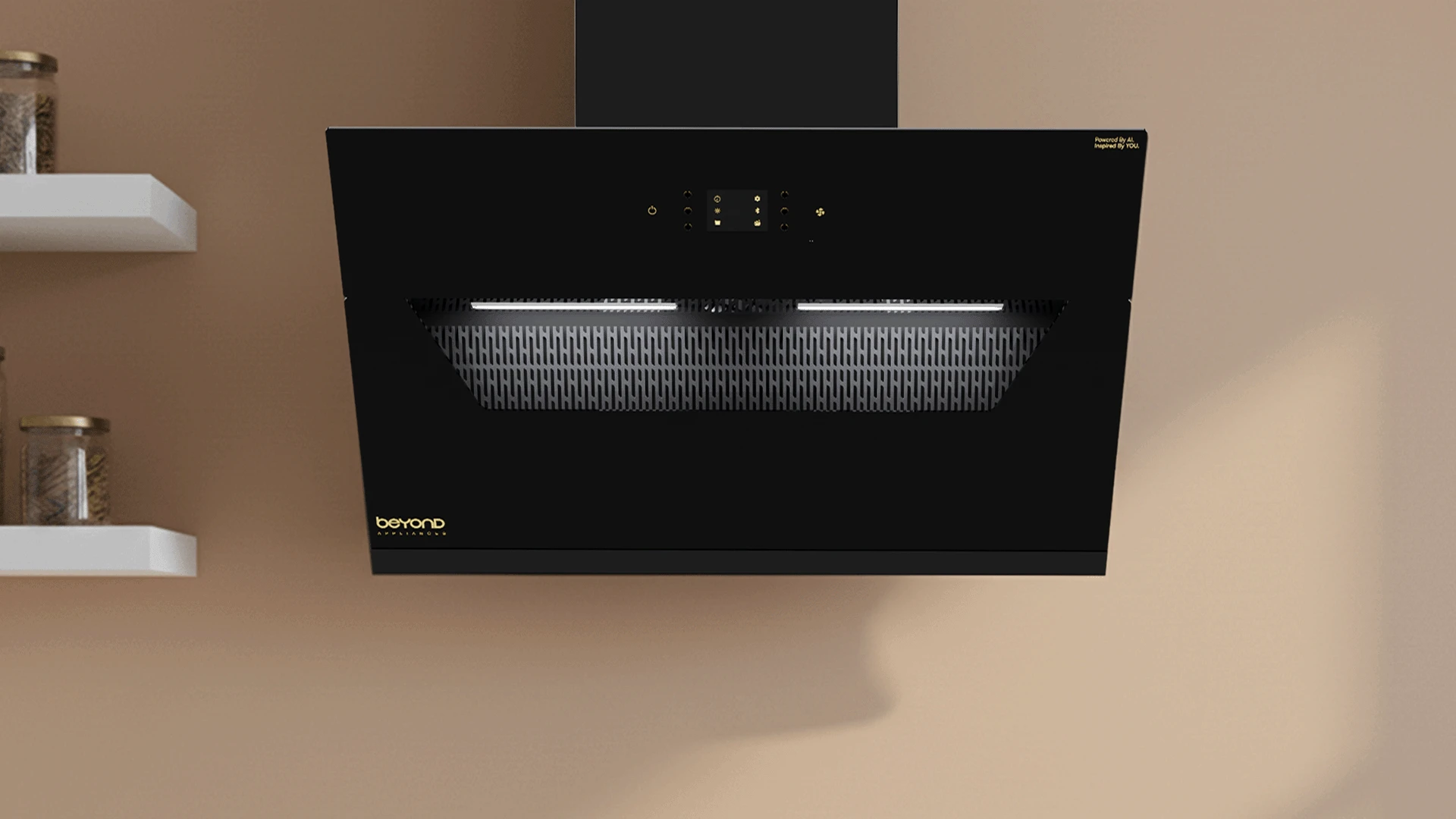
Different filter types require specific cleaning approaches for optimal results. Baffle filters, commonly found in modern chimneys, feature curved metal plates that trap grease through directional airflow. These aluminum or stainless steel filters are dishwasher-safe and highly durable. Cassette filters use multiple layers of mesh to capture particles. They're typically made from aluminum and require gentle cleaning to prevent damage. Carbon filters, found in ductless models, absorb odors but cannot be cleaned and need regular replacement every 3-6 months. For compact kitchen chimney cleaning, consider the Android Chimney - Orion T shape with its filterless design. This innovative model uses 3D suction technology and dry heat auto clean functionality, eliminating traditional filter maintenance while providing 1600 CMH suction power specifically designed for Indian cooking.
These professional techniques ensure thorough cleaning without damaging your filters. Each method targets specific types of buildup and suits different filter materials.
This foundational method works for light to moderate grease buildup. Fill a large basin with hot water (60-70°C) and submerge the filters completely. Soak for 15-20 minutes to soften accumulated grease and oil particles. The heat breaks down stubborn residue, making subsequent cleaning more effective.
Combine hot water soaking with quality dishwashing liquid for enhanced grease removal from chimney filter. Add 2-3 tablespoons of degreasing dish soap to your soaking solution. Use a soft-bristled brush to gently scrub the filter surface, working in circular motions to avoid scratching.
This natural solution tackles stubborn grease without harsh chemicals. Mix equal parts baking soda and white vinegar to create a foaming paste. Apply this mixture to heavily soiled areas and let it sit for 10 minutes. The chemical reaction breaks down grease naturally, making it perfect for DIY chimney filter cleaning.
For heavily soiled filters, commercial cleaners provide industrial-strength degreasing power. Choose products specifically designed for kitchen exhaust systems. Follow manufacturer instructions carefully and ensure adequate ventilation during application. These cleaners are particularly effective for monthly deep cleaning sessions.
Steam cleaning provides the deepest clean possible for your filters. Use a handheld steam cleaner or steam mop attachment to direct high-temperature steam across the filter surface. This method kills bacteria and dissolves even the most stubborn grease deposits.
Ultrasonic cleaners use high-frequency sound waves to create microscopic bubbles that remove contaminants. While requiring special equipment, this method provides restaurant-quality cleaning results. Consider this option for quarterly deep cleaning or when dealing with extremely dirty filters.
Establish a regular maintenance routine to prevent heavy buildup. Light weekly cleaning prevents major accumulation, while monthly deep cleaning maintains optimal performance. This proactive approach makes each cleaning session easier and more effective.
Proper preparation ensures safe and effective cleaning chimney filters at home. Start by turning off the chimney and allowing it to cool completely. Remove the filters carefully, noting their orientation for proper reinstallation. Gather your cleaning supplies: hot water, degreasing dish soap, soft-bristled brush, clean cloths, and rubber gloves. Work in a well-ventilated area, preferably near a large sink or outdoors. Take photos before removal to remember the correct filter placement. Begin with the hot water soaking method, then progress to more intensive cleaning as needed. Rinse thoroughly with clean water to remove all soap residue. Improper rinsing can leave films that attract dirt more quickly. Dry filters completely before reinstallation. Air drying is preferred, but you can use clean towels to speed the process. Ensure no moisture remains, as wet filters can cause electrical issues or promote bacterial growth.
Compact kitchens require strategic cleaning approaches due to space limitations. Use collapsible basins for soaking and consider cleaning filters in batches if space is tight. Modern kitchen chimney maintenance often involves advanced features that simplify the process. The Android Chimney's dry heat auto clean technology represents the future of chimney maintenance. This system uses controlled heat to melt accumulated oil and particles, collecting them in an easily cleaned tray. This eliminates traditional filter cleaning while maintaining superior performance. For traditional models in compact spaces, establish a cleaning station near your sink. Use vertical drying racks to save counter space. Consider cleaning during off-peak kitchen hours to avoid disrupting meal preparation. Schedule maintenance during cooler months when kitchen ventilation needs are lower. This timing allows for thorough cleaning without compromising daily cooking activities.
Avoiding these common errors protects your investment and ensures optimal performance. Never use harsh abrasives or steel wool on filter surfaces, as these can damage the protective coating and create rough surfaces that trap more grease. Incorrect cleaning frequency is another major mistake. Cleaning too rarely allows dangerous buildup, while excessive cleaning can wear out filters prematurely. Follow manufacturer guidelines and adjust based on your cooking frequency and style. Improper drying leads to corrosion and bacterial growth. Always ensure complete drying before reinstallation. Rushing this step can cause long-term damage that requires expensive repairs or replacement. Using the wrong cleaning products can void warranties and damage filter materials. Stick to recommended cleaners or proven natural alternatives. When in doubt, consult your chimney's manual or contact customer service.
Clean filters every 2-4 weeks for regular cooking, or weekly for heavy Indian cooking with lots of oil and spices. Watch for reduced suction, visible grease buildup, or increased cooking odors as signs that immediate cleaning is needed.
While some surface cleaning is possible without removal, thorough cleaning requires filter removal. In-place cleaning only addresses surface grease and cannot reach trapped particles within the filter structure.
Replace filters when they show permanent discoloration, structural damage, or fail to clean properly despite thorough washing. Most quality filters last 2-3 years with proper maintenance.
Choose degreasers specifically designed for kitchen exhaust systems. Look for products that are safe for your filter material and provide adequate ventilation during use. Natural alternatives like vinegar solutions work well for regular maintenance.
Most aluminum and stainless steel filters follow similar cleaning procedures regardless of brand. Check your manual for specific recommendations, as some brands may have special coatings or treatments that require particular care.
Regular kitchen chimney filter cleaning is essential for maintaining a healthy cooking environment and optimal appliance performance. These seven expert methods provide solutions for every cleaning challenge, from light maintenance to deep restoration. Remember that prevention through regular cleaning is always easier and more cost-effective than dealing with heavy buildup. Modern innovations like the Android Chimney's filterless design with dry heat auto clean technology are revolutionizing kitchen maintenance. These advanced systems eliminate traditional cleaning hassles while providing superior performance for Indian cooking needs. Establish a regular cleaning schedule based on your cooking habits and stick to it. With proper care, your chimney filters will provide years of reliable service, keeping your kitchen fresh and your family healthy.
