

7 Essential Chimney Maintenance Tips for Safety
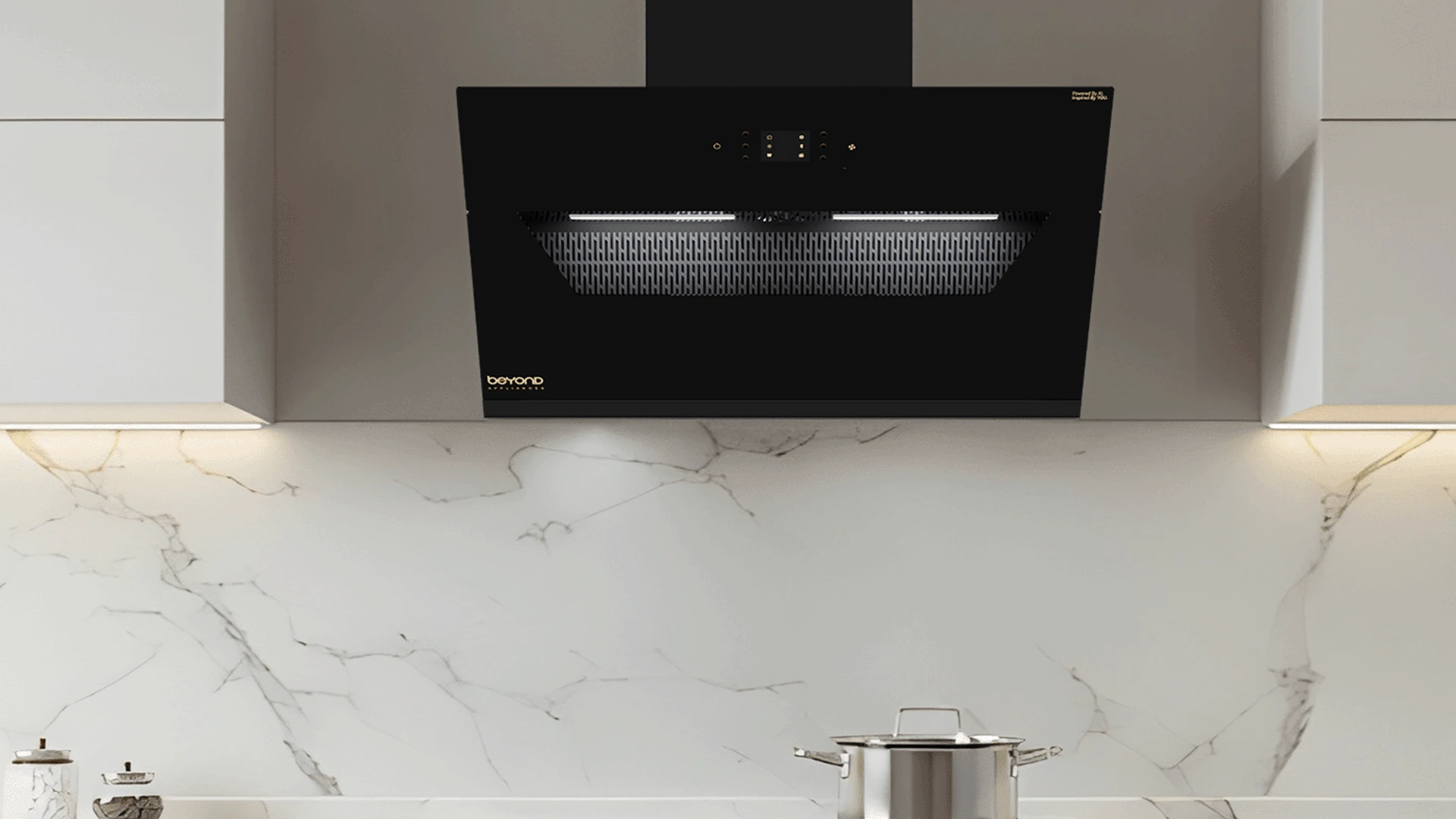
Proper chimney maintenance is more than just an annual chore—it's a critical safety practice that protects your home and family from fire hazards, carbon monoxide poisoning, and costly structural damage. Many homeowners underestimate the importance of regular chimney care until problems arise. With modern kitchen ventilation systems becoming increasingly sophisticated, understanding comprehensive maintenance practices ensures your investment continues to perform safely and efficiently for years to come.
Chimney-related incidents cause thousands of house fires annually, with most being completely preventable through proper maintenance. The National Fire Protection Association reports that failure to clean chimneys accounts for nearly 30% of residential heating fires. Beyond fire risks, poorly maintained chimneys can lead to carbon monoxide exposure, structural damage, and expensive repairs that often exceed INR 50,000. Insurance companies increasingly require documentation of regular chimney maintenance for coverage claims. Neglecting your chimney maintenance guide recommendations can void your homeowner's policy, leaving you financially vulnerable. Professional inspections and cleaning services typically cost between INR 3,000 to INR 8,000 annually—a small investment compared to potential damage costs. Comprehensive chimney maintenance includes structural inspections, cleaning, repairs, and component replacements. Modern ventilation systems require specialized knowledge to maintain properly, especially advanced models with electronic components and automated features.
Professional chimney inspection forms the foundation of any effective maintenance program. Schedule inspections during late spring or early summer when chimney sweep services have greater availability and competitive pricing. This timing allows adequate time for repairs before the heating season begins. Certified inspectors examine structural integrity, checking for cracks, deterioration, and blockages that compromise safety. They assess the chimney crown, flashing, damper operation, and internal components using specialized cameras and tools. Level 1 inspections cover basic visual assessments, while Level 2 inspections include video scanning of internal surfaces. Level 3 inspections involve partial dismantling for comprehensive evaluation.
White staining on exterior chimney walls indicates water penetration and requires urgent chimney repair. Rust on dampers or fireboxes signals moisture problems that accelerate deterioration. Animals, birds, or unusual odors suggest blockages that create dangerous conditions.
Regular inspections identify minor issues before they become major problems. Early detection of liner damage, for example, allows repair costs of INR 15,000 instead of complete replacement costs exceeding INR 75,000.
Creosote removal represents the most critical aspect of chimney cleaning. This highly flammable substance accumulates from incomplete combustion, creating serious fire hazards when allowed to build up. Understanding different creosote stages helps determine appropriate cleaning methods and frequency requirements. DIY cleaning works for light maintenance, but professional chimney cleaning becomes necessary for heavy creosote buildup or complex ventilation system configurations. Basic homeowner cleaning requires proper safety equipment including dust masks, protective clothing, and appropriate brushes sized for your chimney dimensions.
Begin by sealing the fireplace opening with plastic sheeting and tape. Remove the damper if possible for thorough access. Use appropriate brushes, working from top to bottom in steady, controlled motions. Vacuum debris regularly to prevent excessive accumulation.
Schedule professional services when creosote appears glazed or tar-like, when animals have nested in the chimney, or when your ventilation system includes electronic components requiring specialized handling.
Chimney liner systems protect your home's structure while ensuring proper ventilation system performance. Clay tile liners offer durability but crack under thermal stress. Stainless steel liners provide flexibility and corrosion resistance, while cast-in-place liners create seamless protection for damaged chimneys. Liner deterioration occurs gradually, making regular assessment crucial for fireplace safety. Cracked or missing mortar joints allow heat and gases to penetrate surrounding materials. White staining, rust, or damaged tiles indicate immediate replacement needs.
Intact liners improve draft efficiency, reducing smoke problems and enhancing combustion. They prevent heat transfer to combustible materials and contain corrosive byproducts that damage masonry over time.
Clay liners typically last 50+ years with proper maintenance, while stainless steel liners offer 15-20 year lifespans. Environmental factors, usage patterns, and fuel types influence replacement schedules significantly.
Chimney cap installation provides essential protection against weather, animals, and debris infiltration. Quality caps feature corrosion-resistant materials like stainless steel or copper, with proper sizing ensuring adequate ventilation while preventing downdrafts. Screen mesh prevents spark emission while allowing proper airflow. Choose mesh sizes between 5/8 inch and 3/4 inch for optimal performance. Smaller mesh clogs quickly with debris, while larger openings allow sparks to escape.
Stainless steel caps offer excellent durability at moderate costs, typically lasting 15-20 years. Copper caps provide superior longevity and attractive aging but require higher initial investment. Galvanized steel represents budget-friendly options with shorter lifespans.
Inspect caps quarterly for damage, rust, or debris accumulation. Clean screens monthly during active use periods. Replace damaged components immediately to maintain fireplace safety and prevent water infiltration.
Prompt chimney repair prevents minor issues from escalating into major safety hazards or expensive reconstruction projects. Common problems include crown cracks, flashing failures, and mortar joint deterioration that allow water penetration and structural damage. Seasonal damage assessment should occur twice yearly, focusing on freeze-thaw cycles that worsen existing cracks. Spring inspections reveal winter damage, while fall assessments prepare systems for heating season demands.
Emergency repairs include structural instability, active leaks, or complete blockages that prevent safe operation. Routine maintenance addresses minor mortar repairs, cap adjustments, or preventive waterproofing applications.
Address multiple issues simultaneously to reduce labor costs. Waterproof treatments cost INR 5,000-10,000 but prevent damage requiring INR 25,000+ in masonry repairs. Regular maintenance extends component lifespans significantly.
Fireplace safety extends beyond structural maintenance to include proper operation and fuel selection. Use only seasoned hardwood with moisture content below 20% for optimal combustion and minimal creosote production. Avoid burning treated lumber, cardboard, or trash that produces toxic fumes. Proper fire-building techniques ensure complete combustion and reduce harmful emissions. Build fires gradually, starting with small kindling and adding larger pieces as flames establish. Maintain adequate airflow by keeping dampers fully open during operation.
Install carbon monoxide detectors on every level of your home, testing batteries monthly. Ensure adequate ventilation during fireplace use and never close dampers while embers remain active. Professional inspection verifies proper draft and identifies potential CO sources.
Store ashes in metal containers with tight-fitting lids, keeping them outdoors away from combustible materials. Allow complete cooling for 72 hours before disposal. Never use vacuum cleaners for ash removal due to fire risks.
Systematic maintenance scheduling ensures consistent fireplace safety while distributing costs throughout the year. Spring cleaning removes winter debris and assesses damage from heating season use. Summer projects include major repairs and component replacements when weather permits outdoor work. Fall preparation involves final inspections, cleaning, and testing before heating season begins. Winter monitoring includes regular visual checks and prompt attention to any operational issues that arise during active use periods.
Maintain detailed records of all inspections, cleaning, and repairs for warranty claims and insurance documentation. Include photographs of problem areas and completed work. Professional service records demonstrate proper maintenance for insurance purposes.
Annual maintenance costs typically range from INR 8,000-15,000 including professional services and minor repairs. Budget additional funds for major component replacements every 15-20 years. Regular maintenance reduces emergency repair costs significantly.
Schedule professional chimney inspection annually, preferably in late spring or early summer. Heavy users may require bi-annual inspections, while occasional users can extend intervals slightly with careful monitoring.
White staining on exterior walls, strong odors, poor draft performance, and visible creosote buildup indicate cleaning needs. Professional assessment determines appropriate cleaning methods and frequency.
Light maintenance cleaning is suitable for experienced homeowners with proper equipment. Professional chimney cleaning becomes necessary for heavy buildup, complex ventilation systems, or when safety concerns exist.
Basic inspection and cleaning services cost INR 3,000-8,000 annually. Comprehensive maintenance including minor repairs ranges from INR 8,000-15,000. Major component replacements require additional investment.
Neglected maintenance leads to fire hazards, carbon monoxide risks, structural damage, and voided insurance coverage. Repair costs often exceed INR 50,000 when problems develop unchecked.
Cracked tiles, rust stains, white efflorescence, or damaged mortar joints indicate liner problems. Professional video inspection provides definitive assessment of internal conditions.
Effective chimney maintenance combines professional services with informed homeowner practices. Regular inspections, prompt repairs, and systematic cleaning prevent dangerous conditions while protecting your investment. Modern ventilation systems require specialized knowledge, making professional partnerships essential for optimal safety and performance. Consistent maintenance schedules distribute costs while ensuring year-round fireplace safety for your family.
