

7 Breakthrough Chimney Technology Auto Clean Tips
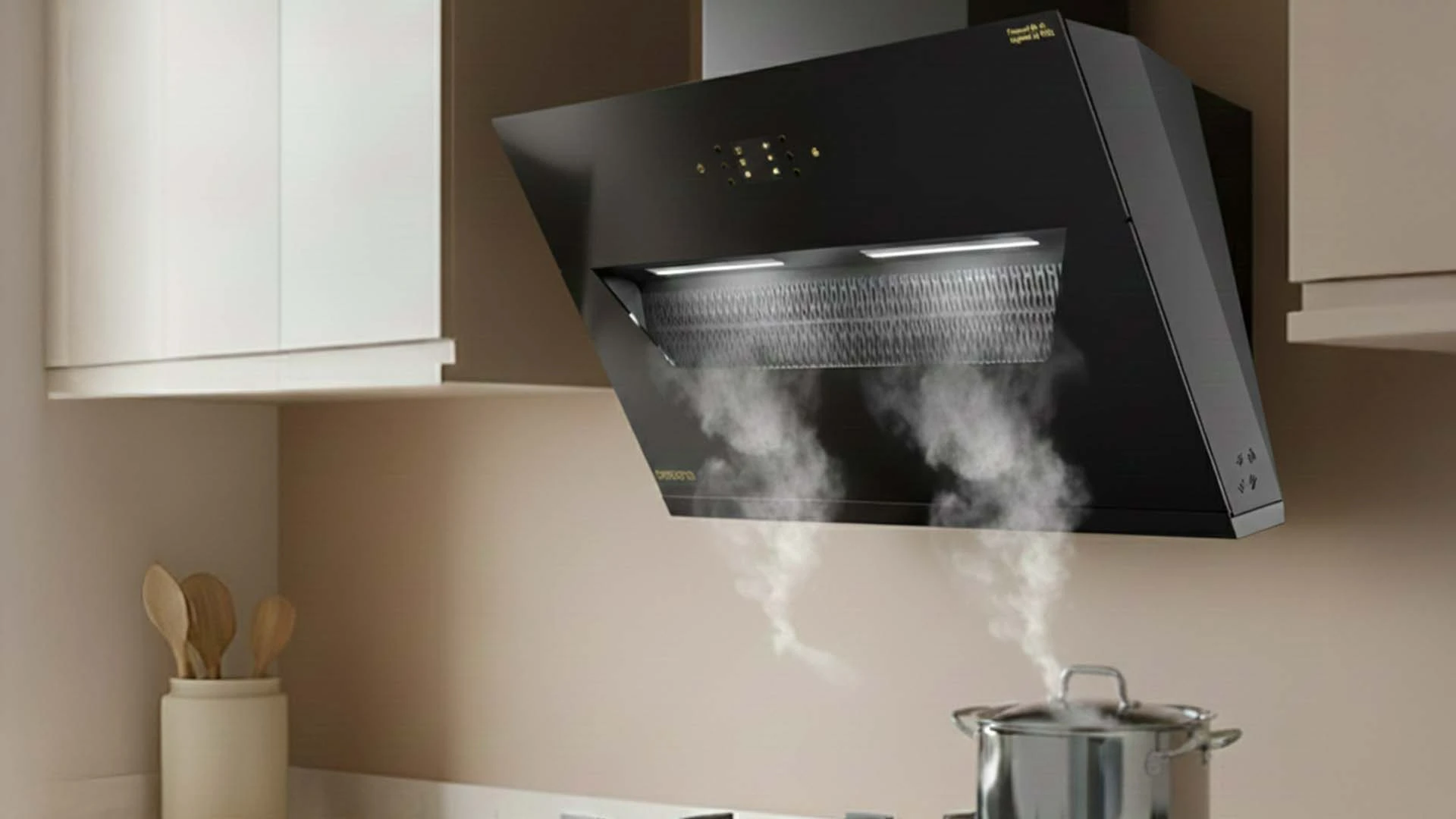
Modern kitchens demand smart solutions that simplify daily tasks while maintaining peak performance. Chimney technology auto clean systems represent a revolutionary advancement in kitchen ventilation, eliminating the tedious manual cleaning process that homemakers have endured for decades. These innovative systems use thermal decomposition to break down grease and oil particles automatically, transforming how we maintain our cooking spaces. With self cleaning chimney technology becoming increasingly sophisticated, understanding how to maximize these systems' potential ensures optimal performance and longevity. Smart homeowners are discovering that proper utilization of automatic chimney cleaner features not only saves time but also maintains superior air quality in their kitchens.
Auto clean technology represents a significant leap forward in chimney cleaning systems, utilizing controlled heat cycles to eliminate accumulated grease and oil particles. This innovative approach transforms traditional maintenance routines by automating the most challenging aspect of chimney upkeep. The system operates through thermal decomposition, where heating elements reach specific temperatures to break down stubborn residues that would typically require manual scrubbing.
The thermal decomposition process works by heating internal surfaces to approximately 200-250 degrees Celsius. During this cycle, oil particles and grease deposits undergo molecular breakdown, converting solid residues into easily removable ash-like substances. The heating elements are strategically positioned to ensure uniform temperature distribution across all internal surfaces.
Modern automatic chimney cleaner systems often feature filterless designs that eliminate traditional baffle or cassette filters. This innovation reduces maintenance complexity while maintaining superior suction performance. The absence of filters means no clogging issues and consistent airflow throughout the chimney's operational life.
Optimizing your self cleaning chimney requires understanding specific operational techniques that enhance cleaning effectiveness and extend system longevity. These proven strategies help homeowners achieve professional-level maintenance results while minimizing manual intervention. Proper implementation of these tips ensures your chimney technology auto clean system operates at peak efficiency.
Activate the auto-clean function after heavy cooking sessions when oil accumulation is highest. Schedule cleaning cycles during off-peak hours to avoid kitchen heat buildup. For households with daily cooking, weekly auto-clean cycles provide optimal maintenance balance.
Remove loose debris and food particles before initiating the auto-clean cycle. Ensure the oil collector is properly positioned and empty. This preparation maximizes the thermal cleaning process effectiveness and prevents potential damage to internal components.
Allow the system to complete full heating cycles without interruption. Modern chimney design incorporates multiple heating zones that require adequate time to reach optimal temperatures. Premature cycle termination reduces cleaning effectiveness significantly.
Regular oil collector cleaning ensures proper drainage during auto-clean cycles. Empty and wash the collector after every 2-3 cleaning cycles. Replace damaged or warped collectors immediately to maintain system integrity and prevent oil overflow.
Modern systems feature advanced sensors that monitor temperature and cleaning progress. Regular sensor calibration ensures accurate cycle timing and prevents overheating. Clean sensor surfaces monthly with soft, dry cloths to maintain optimal functionality.
Compact chimney installations require specific considerations for auto-clean functionality. Ensure adequate ventilation around the unit during cleaning cycles. Position heat-sensitive items away from the chimney during operation to prevent damage.
Track cleaning cycle frequency and duration to optimize maintenance schedules. Monitor suction performance before and after auto-clean cycles to assess effectiveness. Document any performance changes to identify potential maintenance needs early.
The evolution from manual cleaning to automated systems represents a fundamental shift in kitchen maintenance philosophy. Traditional chimney maintenance required frequent filter replacements, professional cleaning services, and extensive manual labor. Chimney sweep alternative technologies eliminate these burdens while providing superior cleaning results.
Traditional chimneys require 2-3 hours of monthly manual cleaning, including filter removal, washing, and reinstallation. Auto-clean systems reduce this to 15-20 minutes of preparation and monitoring time. Annual professional cleaning costs range from INR 2,000-5,000, while auto-clean systems eliminate this expense entirely.
Easy clean chimney systems maintain consistent suction power throughout their operational life. Traditional systems experience 30-40% performance degradation between cleaning cycles. Auto-clean technology ensures optimal airflow and extraction efficiency continuously.
Choosing the right automatic chimney cleaner requires careful consideration of kitchen size, cooking patterns, and technological preferences. Chimney innovation continues advancing, offering features like smart connectivity, energy efficiency monitoring, and predictive maintenance alerts. Modern consumers benefit from comprehensive evaluation of available options.
Evaluate cooking frequency, cuisine types, and kitchen ventilation requirements. Heavy cooking households benefit from higher-capacity systems with more frequent auto-clean cycles. Compact chimney options suit smaller kitchens without compromising cleaning effectiveness.
Prioritize essential features like thermal auto-clean, oil collector capacity, and sensor accuracy. Advanced features include smartphone connectivity, energy consumption monitoring, and predictive maintenance alerts. Balance feature requirements with budget considerations for optimal value.
Auto clean technology achieves 95% cleaning effectiveness through thermal decomposition, surpassing manual cleaning methods. The high-temperature process eliminates stubborn grease deposits that manual cleaning often misses, ensuring comprehensive maintenance.
Auto-clean cycles consume approximately 1.5-2 units of electricity per cleaning session. This translates to INR 15-25 per cycle, significantly lower than professional cleaning service costs.
For regular cooking households, weekly auto-clean cycles provide optimal maintenance. Heavy cooking requires bi-weekly cycles, while light cooking households can extend to monthly cycles.
Thermal auto-clean technology effectively removes oil, grease, and most organic cooking residues. However, sugar-based caramelized deposits may require additional manual attention.
Ensure adequate kitchen ventilation, remove heat-sensitive items from nearby areas, and avoid opening the chimney during cleaning cycles. The system reaches high temperatures that require careful handling.
Chimney technology auto clean systems revolutionize kitchen maintenance by eliminating manual cleaning burdens while providing superior performance. These seven breakthrough tips enable homeowners to maximize their investment in modern chimney cleaning systems. Proper utilization of auto-clean features, combined with strategic maintenance practices, ensures long-term reliability and optimal kitchen air quality. The transition from traditional to automated cleaning represents a significant advancement in home convenience and efficiency.
