

7 Best Chimney Types for Low Ceiling Kitchens
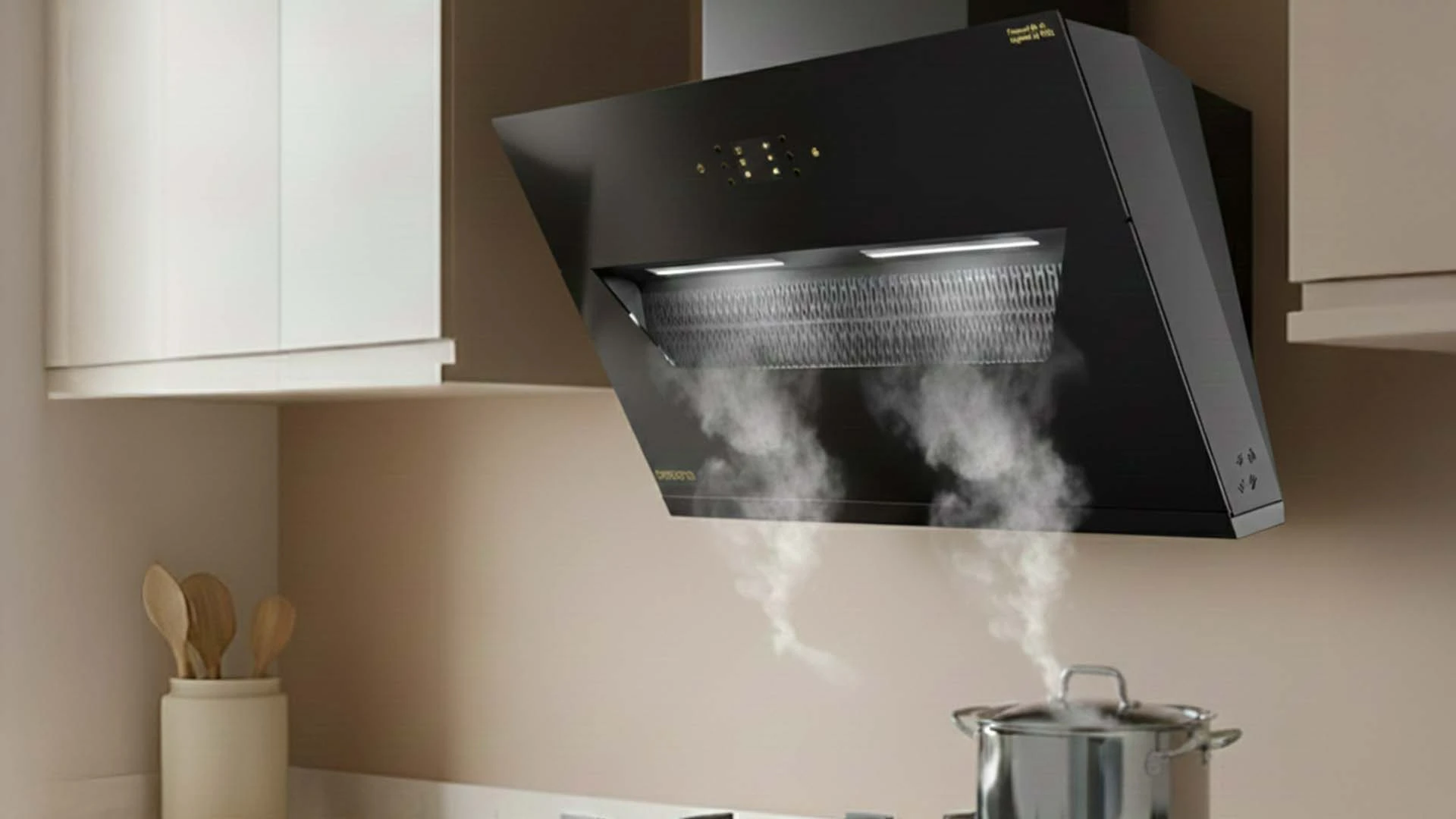
Low ceiling kitchens present unique challenges when selecting the right ventilation solution. Many homeowners struggle with finding a chimney for small kitchens that delivers powerful performance without overwhelming the limited vertical space. The key lies in understanding which designs work best in compact environments while maintaining optimal functionality. Modern slim chimney design options have revolutionized how we approach ventilation in space-constrained kitchens, offering both style and substance.
Low ceiling kitchens typically feature heights between 8-9 feet, creating specific constraints for chimney installation. The standard requirement maintains 24-30 inches clearance between the cooking surface and chimney base for safety and optimal performance. Space optimization becomes critical in these environments. Traditional bulky chimneys can make the kitchen feel cramped and visually overwhelming. The low ceiling kitchen chimney must balance powerful suction capabilities with a compact profile that doesn't dominate the cooking space. Safety standards remain non-negotiable regardless of ceiling height. Proper ventilation prevents heat buildup and ensures efficient removal of cooking fumes, grease, and odors. Energy efficiency also plays a crucial role, as compact spaces require targeted airflow management to avoid wasting power on unnecessary circulation.
Selecting the best chimney type for low ceiling kitchens requires careful consideration of space, performance, and design aesthetics. Each type offers distinct advantages for different kitchen layouts and cooking needs. These seven options represent the most effective solutions for maximizing ventilation performance while working within height restrictions. From traditional wall-mounted designs to innovative downdraft systems, each type addresses specific challenges faced in compact kitchen environments.
Straight-line designs offer the most space-efficient profile for low ceiling installations. These compact kitchen chimney models extend directly from the wall with minimal vertical projection, typically requiring only 18-20 inches of clearance space. Installation benefits include simplified mounting procedures and reduced visual bulk. Most straight-line models deliver suction capacities between 1000-1200 m³/hr, providing adequate performance for standard cooking needs while maintaining a sleek appearance.
Curved designs combine aesthetic appeal with space efficiency through their slim chimney design approach. The gentle curve creates visual flow while maximizing air intake efficiency in restricted headroom situations. These models typically feature widths of 60-90cm with depths under 45cm, making them ideal for narrow kitchen layouts. The curved profile also helps direct cooking fumes more effectively toward the suction point.
Island installations work well in open-concept kitchens with low ceilings, particularly when wall mounting isn't feasible. These units suspend from the ceiling directly above cooking surfaces, creating a modern focal point. Installation requires careful measurement to ensure adequate clearance while maintaining visual proportions. Most ceiling-mounted models offer 360-degree suction coverage, making them highly effective for island cooking setups.
Downdraft systems represent innovative solutions for extremely low ceiling situations by pulling fumes downward rather than upward. These units install directly behind or beside the cooking surface, eliminating overhead clearance requirements entirely. Performance characteristics include powerful motors that overcome the challenge of working against natural heat rise. Installation typically requires floor-level ducting or recirculating kitchen chimney technology for ductless operation.
Corner installations maximize space utilization in tight kitchen layouts where wall space is limited. These chimney for small kitchens solutions work particularly well in L-shaped or galley kitchen configurations. Angle installation benefits include improved access to cooking surfaces and reduced interference with cabinet doors or windows. Corner models typically feature triangular or curved profiles that complement kitchen geometry.
Recirculating kitchen chimney systems eliminate external ducting requirements, making them ideal for apartments or homes where exterior venting isn't possible. These units use advanced filtration technology to clean and recirculate air back into the kitchen. Filter technology includes multi-layer systems with grease filters, carbon filters, and sometimes HEPA filtration for comprehensive air cleaning. Maintenance involves regular filter cleaning or replacement rather than duct cleaning.
Under-cabinet installations provide minimal profile solutions for extremely low ceiling situations. These units mount directly beneath wall cabinets, requiring minimal additional clearance space. Space-saving installation methods include telescoping designs that extend when in use and retract when not needed. Despite their compact size, many under-cabinet models deliver impressive suction power through high-efficiency motors.
The choice between ducted vs ductless chimney systems significantly impacts performance in low ceiling kitchens. Ducted systems typically offer superior performance by completely removing cooking fumes from the kitchen environment. Ducted installations require external venting, which may be challenging in some low ceiling situations due to routing constraints. However, they provide the most effective long-term solution for heavy cooking households. Ductless systems offer installation flexibility without external modifications. Modern filtration technology has significantly improved their effectiveness, though they require more maintenance through regular filter replacement. Cost-effectiveness varies based on filter replacement frequency and energy consumption patterns.
Modern kitchen chimney design emphasizes sleek aesthetics that complement low ceiling kitchens without overwhelming the space. Contemporary finishes include stainless steel, black glass, and white surfaces that create visual continuity with kitchen cabinetry. Color and finish options can actually help expand visual space perception. Light-colored chimneys reflect more light, while dark finishes can create dramatic focal points when used strategically. Smart features include touch controls, automatic sensors, and smartphone connectivity for remote operation. LED lighting integration provides task lighting while adding visual appeal to the cooking area.
Energy efficient kitchen chimney models help reduce operating costs while maintaining performance in compact installations. Variable speed controls allow users to adjust suction power based on cooking intensity, preventing energy waste during light cooking tasks. Auto-shut features turn off the chimney after preset intervals, ensuring it doesn't run unnecessarily. Some models include heat sensors that automatically adjust fan speed based on cooking surface temperature. Long-term cost savings come from reduced energy consumption and improved motor longevity through smart operation features. Eco-friendly filter technologies also reduce replacement frequency and environmental impact.
Most chimneys require minimum 8-foot ceilings with 24-30 inches clearance above the cooking surface. Under-cabinet and downdraft options work in lower ceiling situations.
Straight-line wall-mounted and slim curved designs work excellently for 60cm surfaces, providing adequate coverage without overwhelming small cooking areas.
Modern ductless models with advanced filtration can achieve 85-90% of ducted performance, making them viable options for most home cooking needs.
Wall-mounted units need 24-30 inches, ceiling-mounted require 28-32 inches, while under-cabinet models need only 18-24 inches clearance.
Most compact kitchens perform well with 800-1200 m³/hr suction capacity, depending on cooking frequency and kitchen size.
Selecting the right chimney for low ceiling kitchens requires balancing performance, space efficiency, and aesthetic appeal. Straight-line and slim curved designs offer the best combination of functionality and space optimization for most situations. Installation planning is crucial for success in compact environments. Professional assessment ensures proper clearance, adequate performance, and compliance with safety standards. Consider both immediate needs and long-term maintenance requirements when making your final selection.
