

11 Smart Tips for Compact Kitchen Cooking Success
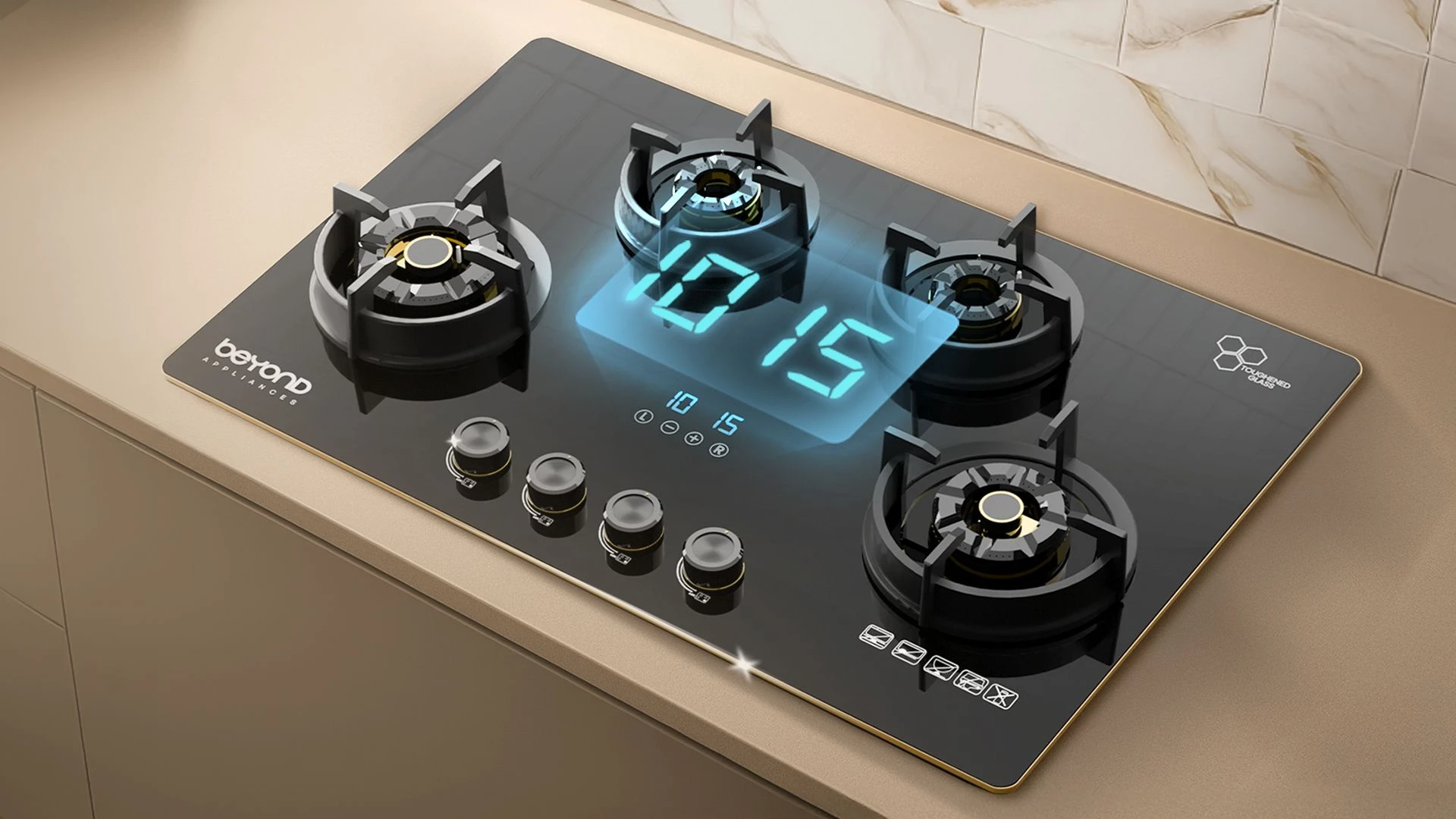
Cooking in a compact kitchen doesn't mean compromising on delicious meals or culinary creativity. With the right strategies and smart planning, even the smallest cooking spaces can become highly efficient culinary hubs. Modern urban living has made compact kitchen design more relevant than ever, with many homeowners seeking practical solutions for cooking in small spaces. These eleven proven tips will transform your tiny kitchen into a powerhouse of efficiency, helping you create amazing meals while maximizing every square inch of available space.
Small kitchens demand a completely different mindset compared to spacious cooking areas. Every decision, from appliance placement to ingredient storage, must serve multiple purposes and maximize functionality. Space saving kitchen solutions become essential rather than optional when working within tight constraints.
The key difference lies in workflow efficiency. In larger kitchens, you can spread out ingredients and tools across multiple surfaces. Compact spaces require strategic thinking about every movement and storage decision. This constraint actually forces better organization habits that many professional chefs swear by for improved cooking performance.
Successful compact cooking starts with smart planning that considers both space limitations and cooking goals. The foundation of any efficient kitchen layout begins with understanding how to optimize your available area. Strategic planning prevents the chaos that often overwhelms small cooking spaces during meal preparation.
The traditional kitchen work triangle connects your sink, stove, and refrigerator in an efficient pathway. In compact kitchens, this triangle becomes even more critical because wasted steps quickly create congestion. Keep these three points within arm's reach when possible, ensuring smooth movement between cooking tasks.
Mise en place, the professional chef's practice of preparing all ingredients before cooking, becomes absolutely essential in small spaces. Set up all your ingredients, tools, and equipment before you start cooking. This prevents the frantic searching that can quickly overwhelm a tiny kitchen during active cooking periods.
Choosing the right appliances can make or break your compact kitchen experience. Every appliance must earn its place through functionality, size efficiency, and versatility. Tiny kitchen appliances should serve multiple purposes whenever possible, reducing clutter while maintaining cooking capabilities.
Modern appliance technology offers incredible space-saving solutions without sacrificing performance. The key is selecting appliances that match your actual cooking habits rather than aspirational cooking dreams.
Instant pots, air fryers, and combination microwave-convection ovens can replace multiple traditional appliances. A quality instant pot can handle pressure cooking, slow cooking, rice making, and yogurt preparation. Air fryers provide crispy results without the space requirements of deep fryers or large ovens.
Compact versions of essential appliances often perform just as well as their full-sized counterparts. Modern small kitchen designs benefit from scaled-down mixers, food processors, and coffee makers that deliver professional results. Focus on appliances with strong motors and quality construction rather than size alone.
Effective storage transforms chaotic compact kitchens into organized cooking spaces. Kitchen organization tips become crucial when every inch matters for both storage and workspace functionality. Smart storage solutions can double or triple your effective kitchen capacity without any renovation work.
The secret lies in thinking three-dimensionally about your space. Walls, cabinet doors, and ceiling areas all offer storage potential that most people overlook in their kitchen planning.
Wall-mounted magnetic strips hold knives and metal tools safely while freeing drawer space. Pegboards accommodate pots, pans, and utensils while adding visual interest. Ceiling-mounted pot racks work well in kitchens with adequate height, creating storage without using any floor or counter space.
Clear, stackable containers maximize pantry efficiency while keeping ingredients fresh and visible. Uniform container sizes create clean lines and efficient space usage. Label everything clearly to prevent the frustrating searches that waste time during cooking preparation.
Certain cooking methods work particularly well in compact kitchens because they minimize cleanup and maximize flavor development. Cooking in small spaces benefits from techniques that use fewer pots and pans while creating complete, satisfying meals. These methods also reduce the overwhelming feeling that can come from managing multiple cooking processes simultaneously.
Focus on cooking techniques that build flavors in single vessels rather than requiring multiple pots and pans. This approach simplifies both the cooking process and cleanup afterward.
One-pot meals eliminate the juggling act of multiple cooking vessels while creating complex, flavorful dishes. Sheet pan dinners use your oven efficiently, cooking proteins and vegetables together with minimal supervision. These techniques free up stovetop space for other cooking tasks or simply reduce kitchen chaos.
Over-sink cutting boards instantly double your prep space without permanent installation. Rolling carts provide mobile workspace that stores away when not needed. Nesting bowls and collapsible tools maximize storage efficiency while providing full functionality during cooking.
Many compact kitchen problems stem from applying large kitchen thinking to small spaces. Understanding these common mistakes helps you avoid frustration and create a more functional cooking environment. Kitchen storage hacks only work when you avoid the fundamental errors that create chaos in the first place.
The biggest mistake involves trying to cram too much into limited space rather than being selective about what truly belongs in your kitchen.
Placing frequently used items in hard-to-reach locations disrupts cooking flow and creates unnecessary frustration. Keep everyday tools and ingredients within easy reach of your primary work area. Store seasonal or rarely used items in less accessible spots.
Filling every available space with appliances or tools creates visual chaos and reduces functionality. Minimalist kitchen design principles work well in small spaces, emphasizing quality over quantity. Leave some breathing room for actual cooking activities rather than maximizing storage at the expense of workspace.
Creating an efficient compact kitchen doesn't require expensive renovations or high-end appliances. Many effective space saving kitchen solutions cost very little but provide significant functionality improvements. Smart shopping and creative repurposing can transform your cooking space without breaking your budget.
Focus your budget on items that provide the biggest functionality improvements rather than spreading money across many small purchases.
Tension rods under sinks create hanging storage for cleaning supplies and dish towels. Adhesive hooks inside cabinet doors hold measuring cups and small tools. Magnetic containers stick to refrigerator sides, providing spice storage without using cabinet space.
Prioritize high-quality basics like a good knife, cutting board, and versatile cookware over specialty gadgets. Invest in items you'll use daily rather than tools for occasional cooking projects. Quality basics perform better and last longer than multiple cheap alternatives.
Focus on one-pot meals, prep all ingredients before cooking, and use vertical storage to keep counters clear. Choose multi-functional appliances and maintain strict organization to prevent clutter from overwhelming your workspace.
A good knife, cutting board, one quality pot, one pan, and a multi-functional appliance like an instant pot or air fryer cover most cooking needs. Add appliances only when you have specific, frequent uses for them.
Use your oven for batch cooking multiple items simultaneously. Prep ingredients in stages rather than all at once to avoid overwhelming your limited counter space. Store prepped meals in stackable containers to maximize refrigerator efficiency.
Vertical wall storage, over-sink cutting boards, magnetic strips, and stackable containers provide maximum storage without using floor space. Focus on solutions that serve multiple purposes and keep frequently used items easily accessible.
Keep counters clear, use light colors, install good lighting, and choose reflective surfaces. Minimize visual clutter by storing items in closed containers and maintaining organized storage systems.
Success in compact kitchen cooking comes from embracing constraints rather than fighting them. Smart appliance choices, vertical storage solutions, and efficient cooking techniques transform small spaces into highly functional culinary environments. Remember that organization and planning matter more than square footage when creating delicious meals.
Start with one or two improvements rather than trying to implement everything at once. Focus on solutions that address your biggest pain points first, then gradually add other efficiency improvements. With patience and smart choices, your compact kitchen can become your favorite room for creating amazing meals and memories.
