

7 Best Carbon Filters for Kitchen Chimneys
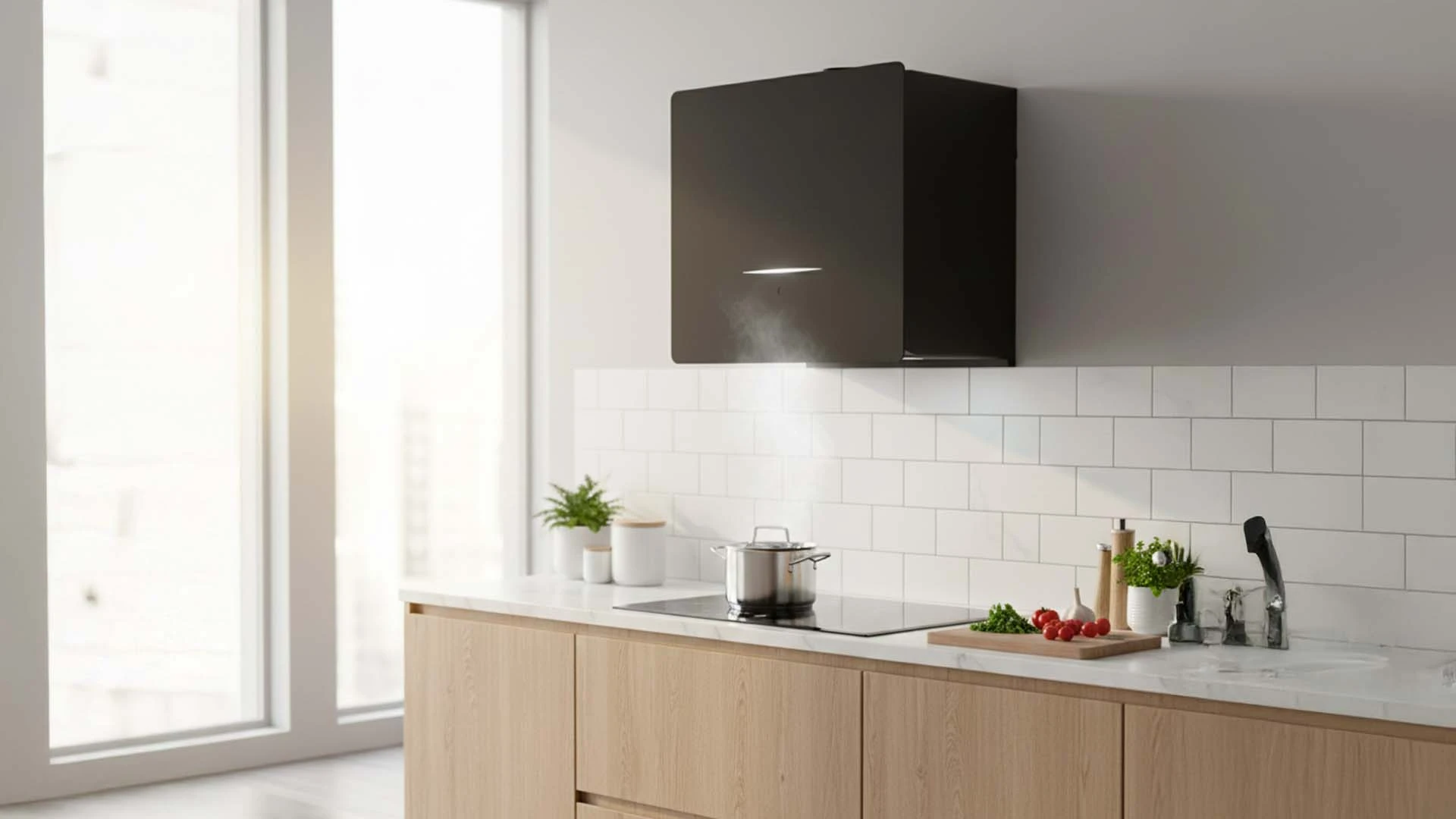
Kitchen chimneys have become essential appliances in modern Indian homes, especially with the rise of open kitchen designs and heavy cooking styles. While most homeowners focus on suction power and design, the carbon filter in chimney systems plays a crucial role in maintaining fresh, odor-free air. These specialized filters work behind the scenes to trap cooking smells, smoke particles, and airborne grease that traditional ventilation alone cannot handle. Understanding the right carbon filter for your kitchen setup can transform your cooking experience and improve your home's air quality significantly.
A carbon filter in chimney systems serves as the secondary line of defense against cooking odors and airborne particles. Unlike basic grease filters that only trap visible particles, carbon filters use activated charcoal technology to absorb odor molecules and microscopic contaminants from your kitchen air.
Activated carbon filters contain thousands of tiny pores that create a massive surface area for trapping odor molecules. When air passes through these filters, the carbon material chemically bonds with smell particles, effectively neutralizing them. This air purifier filter technology works particularly well for Indian cooking, where strong spices and oil-based preparations can create persistent odors. The activated carbon undergoes a special treatment process that increases its absorption capacity by up to 100 times compared to regular charcoal.
Carbon filters provide multiple advantages for Indian households. They eliminate cooking odors within minutes, preventing smells from spreading to other rooms. These filters also capture fine smoke particles that escape grease filters, improving overall indoor air quality. For homes with recirculating chimneys, carbon filters become essential since the air gets cleaned and returned to the kitchen rather than expelled outside. This setup saves energy costs while maintaining effective ventilation.
Modern kitchen chimneys use different filter types, each designed for specific purposes. Understanding these differences helps you choose the right combination for your cooking needs and kitchen setup.
Grease filters capture visible oil particles and food debris, while activated carbon filters focus on odor removal and fine particle absorption. Most effective chimney systems use both filter types in sequence - grease filters as the first stage and carbon filters as the second stage. This dual-filter approach ensures comprehensive air cleaning for heavy Indian cooking styles. Grease filters require regular washing, while carbon filters need periodic replacement for optimal performance.
Carbon filters come in various materials and designs. Granular activated carbon offers maximum absorption but requires careful handling during replacement. Honeycomb carbon filters provide better airflow while maintaining good odor removal efficiency. Some range hood filters combine carbon with other materials like zeolite for enhanced performance. Washable carbon filters cost more initially but offer long-term savings through reusability.
Selecting the right carbon filter depends on your cooking frequency, kitchen size, and chimney specifications. Here are seven categories that cover different needs and budgets for Indian households.
Universal activated carbon filters offer excellent compatibility with most chimney brands while providing reliable odor removal. These filters typically feature high-density carbon granules that effectively trap cooking smells from Indian spices and oil-based preparations. Most universal options come in standard sizes that fit 60cm and 90cm chimneys. Prices range from INR 800 to INR 1,500 per filter, with replacement recommended every 3-4 months for regular cooking.
Basic charcoal filters provide essential odor removal at affordable prices, typically ranging from INR 300 to INR 600. While they may not offer the same absorption capacity as premium options, they work well for light to moderate cooking. These cooktop filters suit small kitchens and occasional cooking scenarios. Replacement frequency increases to every 2-3 months due to lower carbon density.
Premium multi-layer carbon filters combine activated carbon with additional filtration materials for superior performance. These systems often include pre-filters and post-filters along with high-grade activated carbon. Prices range from INR 2,000 to INR 4,000, but they last 6-8 months with regular use. Professional-grade absorption makes them ideal for heavy cooking households and commercial-style home kitchens.
Heavy cooking requires filters with maximum absorption capacity and durability. These specialized odor removal filters contain extra-dense carbon layers that handle intense cooking sessions and strong spice aromas. They work particularly well with tandoor-style cooking and deep frying. Replacement costs range from INR 1,200 to INR 2,500, with 4-6 month lifespans depending on usage intensity.
Standard size carbon filters offer broad compatibility across different chimney brands and models. These filters come in common dimensions that fit most Indian kitchen setups. Easy installation and reliable performance make them popular choices for homeowners who want hassle-free maintenance. Prices typically range from INR 600 to INR 1,200, making them accessible for most budgets.
Washable carbon filters provide long-term cost savings through reusability. These filters can be cleaned and reactivated multiple times before requiring replacement. While initial costs range from INR 1,500 to INR 3,000, they offer excellent value over time. Proper maintenance involves monthly washing and periodic reactivation through specific procedures.
Compact carbon filters suit small kitchen spaces while maintaining effective odor removal. These space-saving designs optimize airflow in confined areas without compromising filtration quality. They work well with smaller chimney models and apartment kitchens. Pricing ranges from INR 400 to INR 900, with replacement needed every 2-3 months due to smaller carbon capacity.
Selecting the appropriate carbon filter requires considering multiple factors specific to your kitchen setup and cooking habits. The right choice ensures optimal performance and cost-effectiveness over time.
Measure your chimney's filter compartment dimensions before purchasing any chimney filter. Most Indian chimneys use standard sizes, but some models require specific filter dimensions. Check your chimney manual for recommended filter specifications and compatibility requirements. Universal filters work for most brands, but branded filters often provide better fit and performance.
Look for carbon filters with high absorption ratings and appropriate airflow capacity. The filter should match your chimney's CFM rating to avoid airflow restrictions. Consider the carbon density and activation level, as these factors directly impact odor removal efficiency. Higher-quality filters may cost more initially but provide better performance and longer lifespan.
Evaluate your cooking frequency and style when selecting carbon filters. Heavy cooking with lots of oil and spices requires high-capacity filters with frequent replacement. Light cooking allows for basic filters with longer replacement intervals. Consider your budget for ongoing carbon filter replacement costs, as this becomes a recurring expense.
Carbon filters can remove 80-95% of cooking odors when properly maintained and replaced regularly. Their effectiveness depends on the carbon quality, filter density, and replacement frequency.
Carbon filters enhance ventilation but cannot completely replace proper airflow systems. They work best in combination with adequate chimney suction and regular air circulation.
Replace carbon filters every 3-4 months for regular cooking, or every 2-3 months for heavy cooking. Signs like persistent odors or reduced airflow indicate replacement needs.
Premium carbon filters often provide better odor removal, longer lifespan, and superior build quality. The investment pays off through reduced replacement frequency and improved performance.
Choosing the right carbon filter significantly impacts your kitchen's air quality and cooking experience. Consider your cooking habits, kitchen size, and budget when selecting from the seven categories discussed. Regular replacement and proper maintenance ensure optimal performance from your ventilation filter system. Remember that quality carbon filters are an investment in your home's air quality and your family's comfort during cooking activities.
