
How to Choose Between Kitchen Hobs and Cooktops
Cart
Your cart is empty
Choosing the right cooking appliance for your kitchen can feel overwhelming with so many options available today. The debate between kitchen hobs vs cooktops often confuses homeowners who want the perfect balance of functionality, style, and value. While these terms are sometimes used interchangeably, they represent distinct cooking solutions with unique benefits and considerations. Understanding the fundamental differences between built-in hobs and freestanding cooktops will help you make an informed decision that suits your cooking style, kitchen design, and budget. Whether you're renovating your existing kitchen or setting up a new home, this comprehensive guide will walk you through everything you need to know about these essential kitchen appliances.
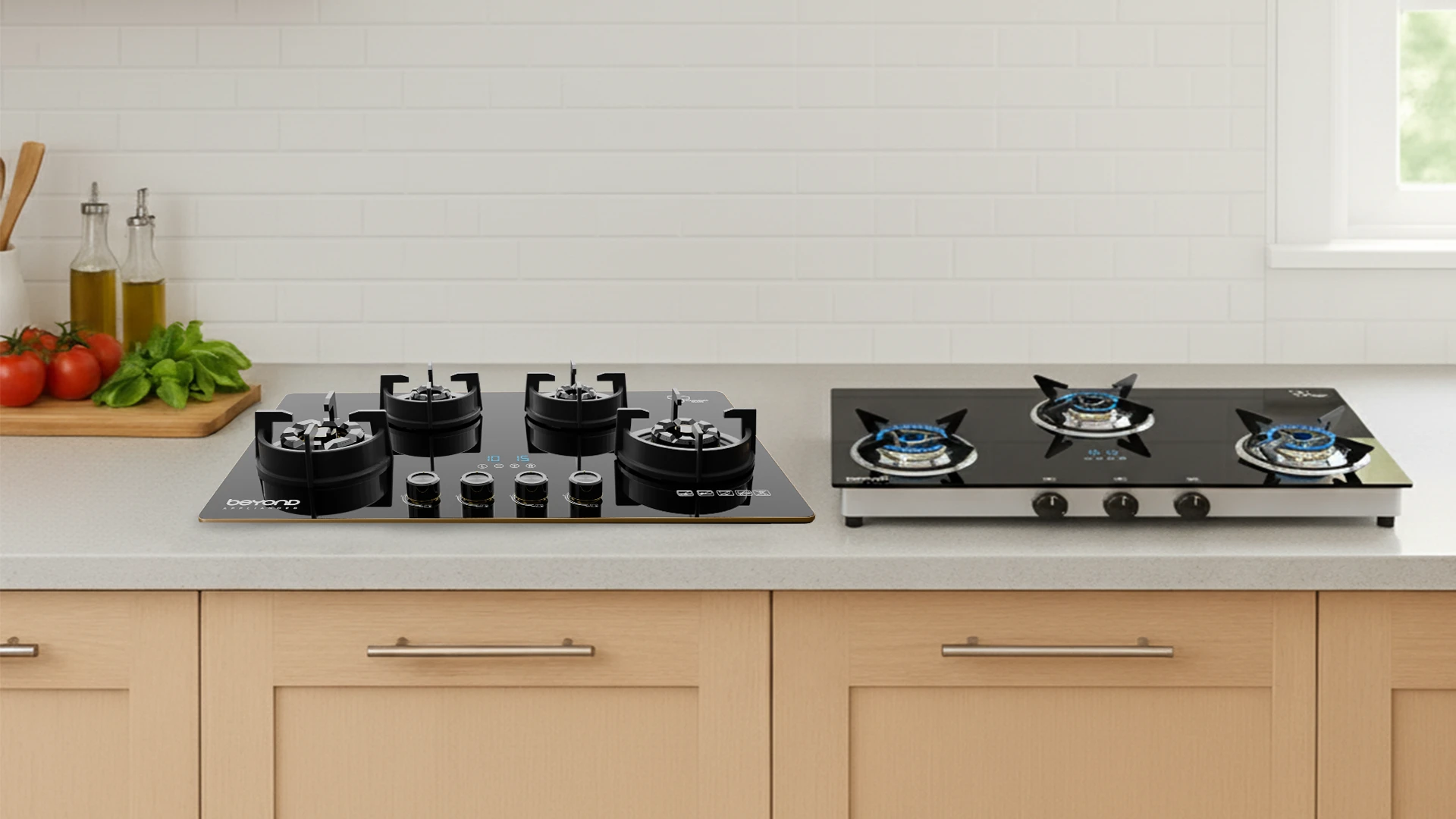
The primary distinction between kitchen hobs and cooktops lies in their installation method and design integration. A kitchen hob is a built-in cooking surface that gets permanently installed into your kitchen countertop, creating a seamless and integrated appearance. These units are designed to sit flush with your counter surface, offering a sleek, modern look that many homeowners prefer for contemporary kitchen designs. On the other hand, cooktops are freestanding units that sit on top of your counter or can be placed on a dedicated stand. They offer more flexibility in terms of placement and can be easily moved or replaced without major kitchen modifications. This fundamental difference affects everything from installation complexity to long-term maintenance and kitchen aesthetics. Regional terminology also plays a role in this confusion. In British English, "hob" is the common term for any cooking surface, while American English typically uses "cooktop." However, in the Indian market, these terms have evolved to distinguish between built-in and freestanding options respectively. The choice between a hob vs cooktop ultimately depends on your kitchen layout, cooking habits, and personal preferences. Built-in hobs offer superior aesthetics and safety features, while freestanding cooktops provide flexibility and easier installation.
Modern cooking technology offers various fuel types and heating methods, each with distinct advantages for different cooking styles. Understanding these options helps you choose the most suitable solution for your culinary needs.
Gas cooktops remain extremely popular in Indian kitchens due to their instant heat control and compatibility with traditional cooking methods. Built-in gas hobs offer the same cooking performance with enhanced safety features like automatic ignition, flame failure protection, and child safety locks. The heat distribution in gas units provides excellent control for techniques like tempering spices or achieving the perfect chapati texture. Both gas hobs and cooktops work well with all types of cookware, making them versatile for Indian cooking styles. The visual flame indicator helps cooks gauge heat levels intuitively, which many experienced home cooks prefer over digital displays.
Electric hobs and induction cooktops represent the modern evolution of cooking technology. Induction units offer superior energy efficiency, heating food up to 50% faster than traditional gas burners. These units work by creating electromagnetic fields that directly heat compatible cookware, resulting in precise temperature control and reduced energy waste. Induction technology requires magnetic cookware, which means you might need to upgrade your existing pots and pans. However, the investment often pays off through reduced cooking times and lower electricity bills. Many induction units also feature preset cooking modes and temperature memory functions.
Smart cooking features are increasingly common in both hobs and cooktops. These include app connectivity for remote monitoring, voice control compatibility, and automated cooking programs. Some advanced models can detect cookware size and adjust heating zones accordingly, while others offer guided cooking assistance through connected apps. Energy monitoring capabilities help track consumption patterns and optimize cooking efficiency. These features are particularly valuable for busy households where multiple family members cook at different times.
Installation complexity represents one of the most significant differences between hobs and cooktops. Built-in hobs require precise countertop cutouts, proper ventilation planning, and often professional installation to ensure safety and warranty compliance. The installation process typically involves measuring, cutting, electrical or gas connections, and sealing to prevent moisture damage. Freestanding cooktops offer much simpler setup requirements. Most models only need a stable surface and appropriate utility connections. This flexibility makes them ideal for rental properties or kitchens where permanent modifications aren't feasible. Countertop modifications for built-in hobs are irreversible and require careful planning. The cutout must match the hob dimensions exactly, and surrounding materials must withstand heat exposure. Granite and quartz countertops handle these installations well, while laminate surfaces may require additional heat protection. Ventilation requirements vary between installation types. Built-in hobs often integrate better with chimney systems and provide more efficient smoke extraction. Proper clearance around the cooking surface ensures safety and optimal performance for both options. Modular kitchen integration favors built-in hobs, as they create clean lines and maximize counter space. Traditional kitchen setups can accommodate either option, though freestanding units may offer more flexibility for future changes.
Cooking performance depends heavily on your specific culinary needs and kitchen usage patterns. Both hobs and cooktops can deliver excellent results when properly matched to your cooking style.
Indian cooking often requires multiple burners operating simultaneously for complete meal preparation. Both hobs and cooktops excel in this area, though built-in models sometimes offer better burner spacing and heat distribution. High-heat cooking techniques like tandoor-style preparations or wok cooking benefit from the stable platform that built-in hobs provide. Traditional Indian cooking methods like slow-cooking dals or preparing multiple rotis require consistent heat control. Gas options in both categories handle these requirements well, while induction models offer precise temperature maintenance for delicate preparations.
Small kitchens benefit from the space-saving design of built-in hobs, which free up valuable counter space for food preparation. However, compact cooktops can be stored when not in use, providing ultimate flexibility in tight spaces. Large family cooking needs often favor multi-burner configurations available in both categories. Professional-style cooking requirements might lean toward high-BTU gas hobs or powerful induction units with large heating zones.
Initial purchase prices vary significantly between hobs and cooktops, with built-in models typically commanding higher prices due to their integrated design and advanced features. Entry-level cooktops start around INR 3,000, while basic built-in hobs begin around INR 8,000. Premium models in both categories can exceed INR 50,000. Installation costs add considerably to built-in hob expenses. Professional installation typically costs INR 2,000 to INR 5,000, depending on complexity and local rates. Countertop modifications may require additional expenses for cutting and sealing. Freestanding cooktops usually involve minimal installation costs. Energy consumption patterns differ between fuel types rather than installation methods. Induction units generally offer the best efficiency, followed by gas, then traditional electric coils. Long-term utility costs can significantly impact total ownership expenses. Maintenance requirements tend to favor built-in hobs, which often include better sealing against spills and easier cleaning surfaces. However, repairs can be more complex and expensive due to the integrated installation. Resale value considerations favor built-in hobs in modern homes, as they're viewed as permanent kitchen improvements. Quality installations can add value to property sales, while portable cooktops don't typically influence home valuations.
Understanding the advantages and limitations of each option helps clarify which solution best fits your specific situation.
Built-in hobs offer numerous benefits including seamless kitchen integration, enhanced safety features, and often superior build quality. The flush installation prevents spills from reaching electrical components and makes cleaning easier. Advanced models include features like child locks, automatic shut-off, and precise temperature controls. However, hobs require complex installation procedures and permanent countertop modifications. Replacement or repair costs tend to be higher due to the integrated design. The initial investment is typically greater, and installation mistakes can be costly to correct.
Freestanding cooktops provide excellent flexibility and easier installation. They can be replaced quickly without kitchen modifications and often cost less initially. Portability allows for outdoor cooking or temporary kitchen setups during renovations. The main disadvantages include counter space consumption and less integrated appearance. Cleaning around the unit can be more challenging, and the exposed design may present safety concerns in households with small children. Some models may lack the advanced features available in built-in alternatives.
Both options work excellently for Indian cooking. Built-in hobs offer better integration and safety features, while cooktops provide flexibility and lower initial costs. Choose based on your kitchen design preferences and budget.
While often used interchangeably, hobs typically refer to built-in cooking surfaces, while cooktops are freestanding units. The distinction varies by region and manufacturer.
Main disadvantages include higher initial costs, complex installation requirements, permanent countertop modifications, and potentially higher repair expenses.
Hobtops are designed for built-in installation and shouldn't be used as freestanding units due to safety and ventilation requirements.
Both gas stoves and hobs perform similarly for cooking. The choice depends on your preference for built-in integration versus freestanding flexibility.
Built-in hobs are worthwhile if you value integrated kitchen design, enhanced safety features, and plan to stay in your home long-term.
Quality hobs and cooktops typically last 10-15 years with proper maintenance. Built-in units may last longer due to better protection from spills and damage.
Yes, but conversion requires countertop modifications, proper ventilation planning, and professional installation to ensure safety and functionality.
Choosing between kitchen hobs and cooktops ultimately depends on your specific needs, kitchen design, and long-term plans. Built-in hobs excel in modern, integrated kitchens where aesthetics and advanced features matter most. They offer superior safety, easier cleaning, and often better performance, making them ideal for permanent kitchen installations. Freestanding cooktops provide unmatched flexibility and value for budget-conscious buyers or temporary situations. They're perfect for rental properties, small kitchens, or households that prioritize easy replacement and maintenance. Consider your cooking habits, kitchen size, budget, and future plans when making this decision. Both options can deliver excellent cooking performance when properly selected and maintained. Focus on quality brands that offer reliable after-sales service and warranty support to ensure long-term satisfaction with your investment.
