
How to Choose Between Cooktop and Hob Today
Cart
Your cart is empty
Choosing the right cooking appliance for your kitchen can feel overwhelming with so many options available today. The terms 'cooktop' and 'hob' are often used interchangeably, but they represent different approaches to modern cooking solutions. Understanding the cooktop vs hob differences helps you make an informed decision that matches your cooking style, kitchen design, and budget. Whether you're renovating your kitchen or setting up a new home, this guide breaks down everything you need to know about these essential appliances. From installation requirements to long-term costs, we'll explore how each option fits into today's modern kitchens and busy lifestyles.
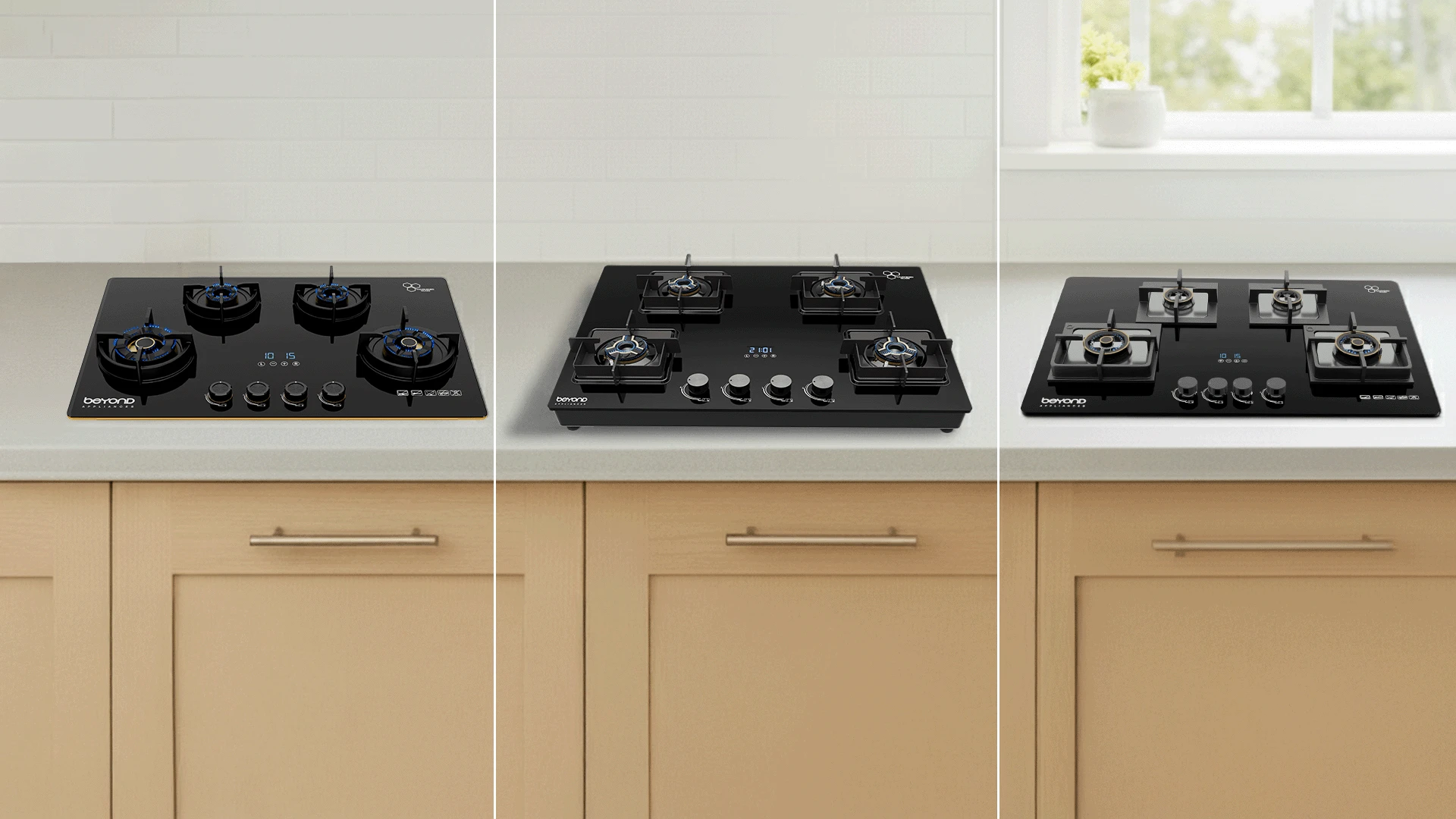
The main distinction in any cooktop hob comparison lies in their design and installation approach. Cooktops are typically portable or freestanding units that sit on your kitchen counter, while hobs are built directly into your countertop for a seamless, integrated look.
Cooktops offer flexibility as standalone appliances. You can move them around, store them when not in use, or easily replace them without major kitchen modifications. They plug into standard electrical outlets or connect to gas lines through flexible hoses. Hobs require professional installation and become permanent fixtures in your kitchen. They're cut into your countertop and connected directly to your home's gas or electrical supply. This creates a sleek, modern appearance that many homeowners prefer.
Cooktops take up valuable counter space but don't require any structural changes to your kitchen. They work well in rental properties or temporary living situations where permanent modifications aren't possible. Hobs maximize your usable counter space by sitting flush with the surface. They create clean lines and contribute to a more sophisticated kitchen design. The integrated look makes cleaning easier since there are no gaps where food particles can collect.
Both cooktops and hobs come in various technologies, each offering unique benefits for different cooking styles. Understanding these types of cooktops helps you choose the right technology for your needs.
Gas cooktop hob options provide instant heat control and work with all types of cookware. Gas cooktops typically feature removable grates and burner caps for easy cleaning. They offer the familiar blue flame that many cooks prefer for visual heat control. Gas hobs integrate seamlessly into countertops while maintaining the same cooking benefits. They often feature more sophisticated designs with sealed burners and continuous grates that make moving pots easier.
Electric cooktop hob varieties include traditional coil elements, smooth ceramic surfaces, and radiant heating systems. Electric cooktops are generally more affordable upfront and easier to install in homes without existing gas lines. Electric hobs offer sleek glass surfaces that are easy to clean and maintain. They heat evenly and provide consistent temperatures, making them excellent for simmering and delicate cooking tasks.
The induction cooktop vs hob debate often comes down to installation preferences since the technology works similarly in both formats. Induction uses magnetic fields to heat compatible cookware directly, making it extremely energy efficient. Induction cooktops heat up quickly and offer precise temperature control. The surface stays relatively cool, making them safer around children and easier to clean immediately after cooking.
When comparing costs in your hob buying guide research, consider both upfront expenses and long-term value. Initial purchase prices vary significantly based on size, technology, and brand quality. Cooktops generally cost less initially, with basic two-burner electric models starting around INR 3,000 and premium induction units reaching INR 25,000. Gas cooktops typically range from INR 5,000 to INR 30,000 depending on burner count and build quality.
Cooktop installation is usually straightforward and doesn't require professional help. You simply place the unit on your counter and connect it to the appropriate power source. Hob installation requires professional services, adding INR 2,000 to INR 8,000 to your total cost. This includes cutting the countertop, ensuring proper ventilation, and making secure connections to gas or electrical supplies.
Induction technology offers the highest energy efficiency in both cooktop and hob formats, converting about 90% of energy directly to heat. Gas options provide good efficiency at lower operating costs, especially in areas where LPG is readily available. Electric models vary in efficiency, with newer ceramic and radiant designs performing better than traditional coil elements. Consider your local utility rates when calculating long-term operating expenses.
Modern cooktop design focuses on user convenience and kitchen aesthetics. Today's appliances include touch controls, timer functions, and safety features like automatic shut-off and child locks. Compact cooktops serve small kitchens and urban apartments where space is premium. Two-burner models fit easily on limited counter space while still providing adequate cooking capacity for small families.
Newer models include digital displays, preset cooking programs, and smartphone connectivity. These cooktop features make cooking more convenient and help achieve consistent results. Safety features have improved significantly, with automatic flame failure protection on gas models and overheat protection on electric units. Induction models offer the safest operation since the cooking surface doesn't get hot.
Hobs typically offer easier cleaning since they integrate flush with countertops. Spills can't fall into crevices, and the smooth surfaces wipe clean easily. Cooktops may require more attention to clean around edges and underneath the unit. However, their removable parts often make deep cleaning more thorough when needed.
Your cooking habits should guide your decision between cooktops and hobs. Heavy cooking with multiple dishes requires more burners and higher heat output capabilities. Indian cooking often involves high-heat techniques, multiple burners running simultaneously, and heavy cookware like pressure cookers. Gas options typically handle these requirements better than electric alternatives.
Small families or occasional cooks might find two-burner cooktops sufficient for their needs. Larger families or frequent entertainers benefit from four or more burners available in both cooktop and hob configurations. Consider your typical meal preparation routine. If you often cook multiple dishes simultaneously, invest in models with varied burner sizes and heat outputs.
Gas cooking produces more heat and combustion byproducts, requiring adequate ventilation regardless of whether you choose a cooktop or hob. Ensure your kitchen has proper exhaust systems before installing gas appliances. Electric and induction options produce less ambient heat and don't require as much ventilation, making them suitable for kitchens with limited exhaust capacity.
The choice between cooktops and hobs ultimately depends on your specific situation, budget, and preferences. Cooktops explained simply offer more flexibility and lower upfront costs, while hobs provide better integration and long-term value. Consider your living situation first. Renters or those planning to move soon benefit from cooktop portability. Homeowners investing in long-term kitchen improvements often prefer the integrated look of hobs. Budget plays a crucial role in decision-making. If you need cooking capability immediately but have limited funds, a quality cooktop provides excellent value. When budget allows, hobs offer superior aesthetics and often better resale value for your home. Think about your cooking style and frequency. Serious cooks who spend significant time in the kitchen often appreciate the professional appearance and performance of built-in hobs. Casual cooks might find cooktops perfectly adequate for their needs.
Cooktops are portable or freestanding cooking appliances that sit on your counter, while hobs are built into the countertop for an integrated appearance. Cooktops offer flexibility and lower costs, while hobs provide better aesthetics and space efficiency.
Induction technology offers the same energy efficiency whether in cooktop or hob format, converting about 90% of energy directly to heat. The efficiency depends on the technology used, not whether it's a cooktop or hob design.
Hob installation requires professional services for cutting countertops and making gas or electrical connections safely. Cooktops typically don't need professional installation and can be set up by following manufacturer instructions.
Converting from cooktop to hob involves countertop modification and professional installation, typically costing INR 5,000 to INR 15,000 depending on your kitchen layout and the type of hob chosen. This includes cutting, installation, and connection services.
Compact cooktops work well for very small kitchens where counter space is extremely limited, but hobs actually save space by integrating into the countertop. Two-burner hobs often provide the best solution for small kitchens with permanent installation capability.
Quality cooktops last 10-15 years with proper maintenance, while hobs often last 15-20 years due to their integrated design and typically higher build quality. Gas models generally have longer lifespans than electric ones in both categories.
Choosing between cooktops and hobs requires balancing your immediate needs with long-term goals. Cooktops offer flexibility, lower upfront costs, and easy replacement, making them ideal for renters or budget-conscious buyers. Hobs provide superior aesthetics, space efficiency, and long-term value for homeowners investing in permanent kitchen improvements. Consider your cooking style, family size, and kitchen layout when making this decision. Gas options work well for high-heat cooking and traditional techniques, while induction provides energy efficiency and safety benefits. Electric models offer reliable performance at moderate costs. Remember that both options can serve you well when chosen thoughtfully. Focus on quality construction, appropriate size for your needs, and features that match your cooking habits. Whether you choose a cooktop or hob, investing in a reliable appliance with good warranty coverage ensures years of satisfactory cooking performance.
